
Coping Stones: Everything you need to know
For landscapers or DIY enthusiasts looking to add the finishing touches to their outdoor areas, ‘coping stones’ are a crucial consideration. These seemingly simple elements play a significant role in both safeguarding walls and enhancing the aesthetics of landscaping projects.
Table of Contents
What does a coping stone do?
Coping stones are designed for use on garden walls, parapet walls and flat roofs.
Coping stones are the top covering of a wall that helps in stopping rainfall from penetrating and potentially damaging the structure. By shielding the wall from rain and snow, a wall coping stone helps to safeguard the integrity of the stone bricks over time.
Coping stones are typically angled to allow any moisture to drain off them. This small design feature minimizes water infiltration into the wall, reducing the risk of gradual erosion. By extending the wall’s lifespan, it cuts down on repair costs and time.

Aside from the practical benefits, coping stones take a basic wall and make it into a feature, with a choice of materials, profiles, and colors – you can add a distinct charm to your garden or property. Additionally, they give you the option to match or contrast your wall and create a seamless flow between structures. The right coping stone choice ties in with your garden’s style, be it traditional or contemporary.
You can enhance your property’s curb appeal by integrating elements like railings, coping stones, pier caps; creating a stunning first impression for visitors.

What’s the best coping stone material?
When selecting coping stones, the right material can make all the difference. Here’s a rundown of popular options to help you decide:
Natural Stone:
This option offers a timeless, luxurious look, available in varied textures and colors. Limestone and sandstone are durable choices that complement many landscaping styles.
Stone copings are often a top choice for buildings and walls adorned with natural stone cladding. While they come at a higher price point compared to materials like concrete or clay, their elegance is unmatched.
Yet, the weight of stone poses a potential issue, potentially leading to structural concerns based on the wall’s strength and design. The installation of stone copings demands skilled labor and meticulous methods to ensure a secure fit and lasting bond.

Brick:
Brick copings are usually matched to the wall below for a seamless look. However, bricks may not be the most suitable material for copings due to the numerous joints, raising the risk of water seepage with subpar workmanship.
Over time, the brick and mortar can degrade, exposing walls to the elements. Typically used on interior walls like privacy walls for rooftop terraces rather than parapet walls, brick copings demand regular maintenance checks due to their vulnerability. If you admire the aesthetic of brick copings, consider using them for decorative purposes on non-parapet walls.
Concrete:
Concrete wall copings offer a cost-effective alternative to natural stone copings and other options. However, caution is advised due to their heavy weight and thickness, making them unsuitable for all wall types.
Typically used on sturdy masonry walls that can handle the load, these copings come in various colors achieved through pigments in the mix, providing designers and builders with versatile styling choices. Check out the Concrete coping stones we have in stock here.
Porcelain:
Due to its virtually non porous material they are ideally suited to use on a wall as they keep water ingress to a minimum. The non porous nature of porcelain also help prevent against staining meaning the coping will keep its original colour and be low maintenance throughout its lifetime.
Check out the Porcelain coping stones we have in stock here.

Once-Weathered vs Twice-Weathered
Once-Weathered:
Designed to shed rainwater water to one side of the wall. The steeper the angle of your coping stones, the more effective they are in shedding water away.
Best Usage: Parapet walls, garden walls, retaining walls, balconies and terrace and chimney
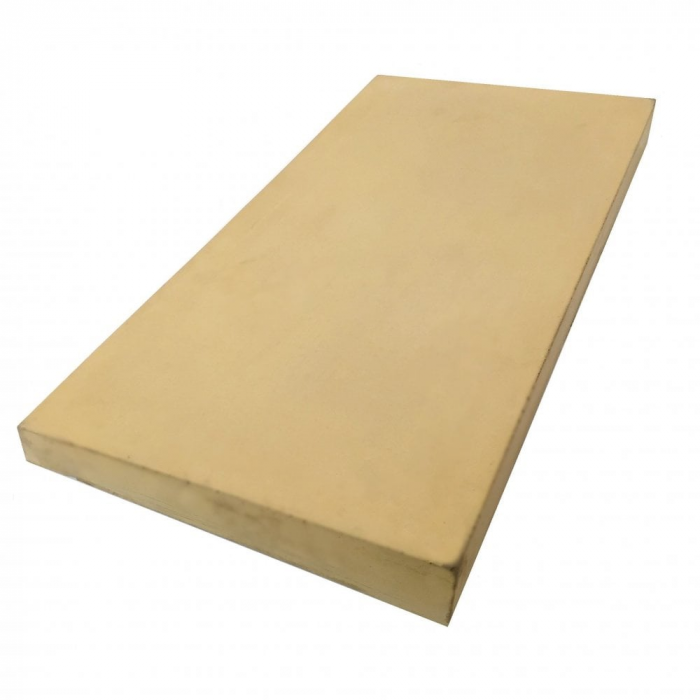
Twice-Weathered:
The saddle-shaped wall coping stones, also known as twice-weathered, are highly favored for their design resembling hip roofs, which optimizes water drainage. These copings are designed to shed rainwater from both sides of a wall, without requiring any internal guttering. These copings tend to be less steep than once-weathered options and require precise positioning
Typically seen on garden walls and balustrades, these copings are versatile in directing runoff. Additionally, they may include “drip grooves” beneath the overhang to prevent water infiltration and wall damage.
Best Usage: Garden walls, boundary walls, retaining walls, and rooflines

Understanding Coping Stones Vs. Capping Stones
While both coping stones and capping stones are used to finish off walls, there are key distinctions between the two that are worth noting.
Coping stones are specifically designed to cap off and protect the wall, with a focus on preventing water ingress along the wall top. They are typically thicker and may come with a drip edge to guide rainfall away from the wall.
Capping stones, on the other hand, are often more decorative and are usually used to cap pillars, piers, or balustrades. They are less about protection and more about providing an aesthetic, crowning touch to the structure. Furthermore, the selection between coping and capping stones will ultimately depend on the purpose of the wall and the desired final appearance.
In summary, both capping and coping stones are useful in their own way as it really depends on the specific application, the desired aesthetic and functional outcomes.
View our coping caps range here

DIY Coping Stone Tips
Crafting a picturesque and resilient garden involves meticulous planning and execution. Here are DIY tips to master the art of coping stone installation and care.
Secure Installation
- Prepare the Wall: Clear the wall top of any debris, ensuring a smooth, flat base for the coping stones.
- Choose a Mortar Mix: A mix of cement, sand, and water that matches the wall’s original mortar type and color is essential for a cohesive and sturdy fix.
- Mind the Slope: The top of coping stones should slightly slope away from the wall to allow water to drain effectively.
- Allow for Centering: Ensure coping stones have an even overhang on both sides of the wall to maintain balance and stability.
Material Maintenance
- Seal the Surface: Apply a waterproof sealant to coping stones periodically to reinforce protection against moisture.
- Regular Inspections: Keep an eye out for any loose or damaged stones. Prompt repair can avert more extensive issues.
- Cleanliness is Key: Regular cleaning with a stiff brush can prevent the buildup of dirt and debris that might impede water flow.

Keep in mind, the installation process varies depending on the type of coping stone you use. Remember to be safe while working at height and seek professional help if unsure. The last thing you want is to ruin your walls and stones with a bad installation!
In conclusion, incorporating coping stones into a landscape design not only enhances the beauty and cohesiveness of outdoor spaces but also provides an essential layer of protection for structures.
View our range to find the perfect finishing touch, ideal for garden walls and decorative landscapes. Available in a range of colours and sizes.
Frequently Asked Questions
Q1. Why are coping stones essential for walls?
Coping stones play a vital role in shielding walls from weather-related damage.
Q2. What is the recommended overhang for coping stones?
For optimal installation of coping stones on walls, it is advised to have a 25-35 mm overhang on each side for a balanced and secure fit.
Q3. Which material is suitable for coping stones?
For wall coping stones, the conventional choice is traditional mortar, known for its widespread use and effectiveness in fixing the stones securely in place.
Q4. How can improper installation affect coping stones?
Improper installation of coping stones can lead to water seepage issues and instability. It is crucial to entrust the installation process to skilled professionals to avoid water leaks and ensure the stones’ durability.
Comments are closed here.