
Different Toilet Types: Which is Best for My Bathroom?
Toilets are an essential part of everyday life, but with bathrooms in every size, shape and style, toilets must reflect those differences. Various types of toilets suit different bathroom designs and requirements, so if you’re looking for a toilet upgrade or fitting a new bathroom suite, use this guide to find the best toilet.
Whether you have a large or small, traditional or modern bathroom, there is a toilet style to suit. Discover all the different types of toilets you can get for your bathroom and their advantages and disadvantages to help you find the perfect toilet.
Table of contents: Different types of toilet
- Close-coupled toilets
- Back-to-wall toilets
- Wall-hung toilets
- Low-level toilets
- Comfort height toilets
- Corner toilets
- Combination toilets

Close-coupled toilets
Close-coupled toilets are the most common toilet type in the UK, identifiable by their distinctive “L” shape. The close-couple toilet design features a cistern directly above the toilet bowl, making them “closely coupled” together.
Depending on the design of the toilet, you can get a range of flushing mechanisms, including traditional flushing handles or more modern buttons or motion-detecting flushing. Contemporary designs also sometimes feature rimless toilets, which provide less opportunity and space for bacteria to grow, giving you a more hygienic toilet.
Choose between modern and traditional close-coupled toilet designs.
You can find a close-coupled toilet to match any style, taste or bathroom interior design. Choose a close-coupled toilet with smooth-flowing lines, soft angles or more angular square toilet designs for a contemporary interior. However, if you have a period property and want a toilet to reflect the look and feel of your traditional bathroom, choose a close-coupled toilet with elaborate decoration, ceramic toilet handles and more classic, oval toilet pans.
What are the advantages of a close-coupled toilet?
- Space-saving design. Due to the close-coupled design, these toilets are often compact, making them suitable for smaller bathrooms and cloakrooms.
- Easy installation. Because the cistern is attached directly to the bowl, close-coupled toilets are quicker and easier to install than ones with separate cisterns.
- Simpler maintenance. Close-coupled toilets have fewer parts and connections, making them easier to repair and maintain. You can also easily access the cistern for repairs and maintenance.
- Many design options. You can find a close-coupled toilet design that suits your bathroom aesthetic, no matter your interior design.
What are the disadvantages of close-coupled toilets?
- Space limitations. Although close-coupled toilets have a compact design, they are not the best space-saving option you can get and are often bulky in unusually shaped bathrooms.
- Not minimalist. Although you can get sleek, contemporary, close-coupled toilet designs, they don’t provide the minimalist style of a wall-hung or back-to-wall toilet, as the cistern is always showing.
- Condensation. As the cistern is directly attached to the bowl where the toilet stores the water, this can sometimes lead to condensation on the outside cistern surface, especially in humid environments. While not a significant issue, it can look unsightly and requires occasional wiping to prevent water damage.
- Leaks. Close-coupled toilets can develop leaks over time between the cisterna and the bowl. So, they require regular inspection and maintenance to prevent and address any leaks.
Back-to-wall toilets
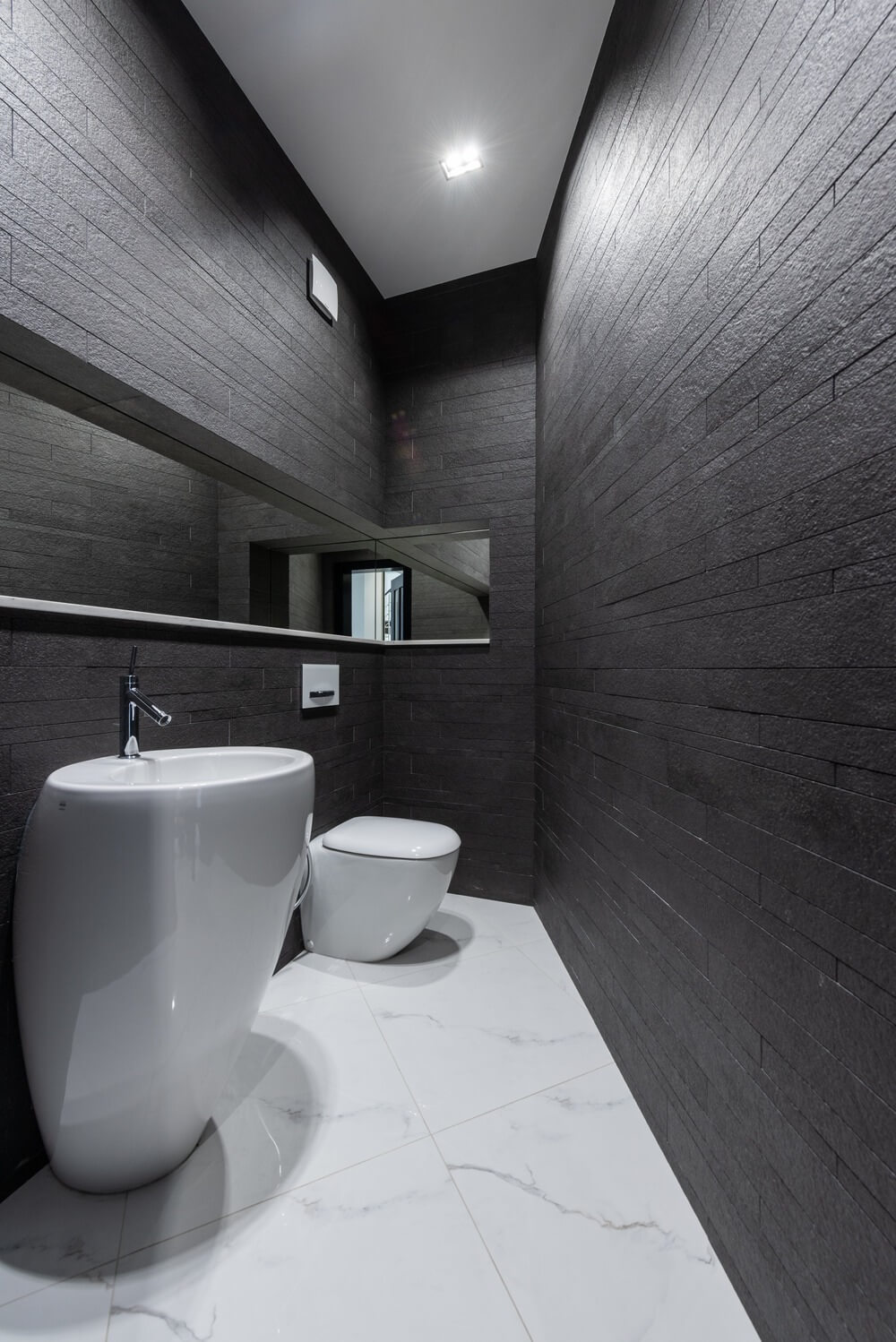
Back-to-wall toilets sit flush to the wall with a concealed cistern behind the wall or a furniture unit. These toilets often provide a modern look and are a great space-saving option. Think of a minimalist approach to interior design that maximises your bathroom floor space.
While most back-to-wall toilets will come in a modern design with sleek lines, effortless curves and geometric corners to complement a contemporary bathroom, you can still find some traditional-style options with more elaborate detail.
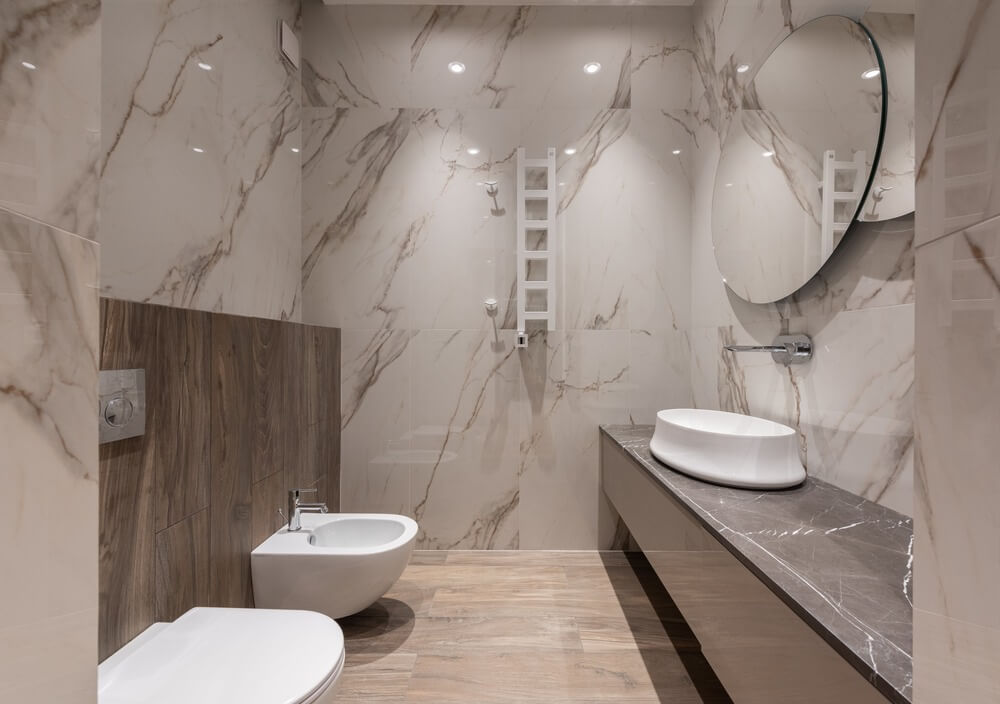
Choose between wall-concealed or furniture-concealed back-to-wall toilets.
You can get a back-to-wall toilet that conceals its cistern behind a wall or in a furniture unit. A furniture unit will offer additional storage or shelf space and come in various finishes to suit your interior. However, if you forgo the unit and conceal it behind the bathroom wall, you will get a sleek, minimalist look.
What are the advantages of back-to-wall toilets?
- Space-saving design. Back-to-wall toilets sit flush to the wall to maximise the floor space, making them an excellent choice for smaller bathrooms and cloakrooms.
- Easy to clean. There are fewer nooks and crannies for dirt and grime to accumulate because back-to-wall toilets have concealed cisterns and pipework. It also helps prevent the build-up of bacteria and germs and improves your bathroom hygiene.
- Sleek and minimalist aesthetic. Back-to-wall toilets are the perfect option if you have a contemporary bathroom vision.
- Design flexibility. You can install your back-to-wall toilet cistern behind the bathroom wall or in a furniture unit.
- Reduced noise. With the cistern concealed behind a wall, the flush noise isn’t as loud, providing a quieter bathroom experience, particularly for attached houses and apartments.
What are the disadvantages of back-to-wall toilets?
- Complex installation. A back-to-wall installation requires more effort, expertise and knowledge in installing a concealed cistern, which may require structural modifications and additional plumbing work.
- Limited accessibility for maintenance. Whether you conceal your cistern behind a wall or a furniture unit, both are more difficult to access for maintenance. If there is a plumbing issue or the cistern needs servicing, you may need to dismantle the wall or cabinet, which is time-consuming and costly.
- Compatibility with existing plumbing. If you retrofit a back-to-wall toilet into an existing bathroom, you may have to adjust the plumbing system and layout.
- Unnoticeable leaks. With any toilet installation, there is a potential for leaks. However, if your back-to-wall cistern leaks, it can go unnoticed and damage walls, ceilings and floors.
Wall-hung toilets
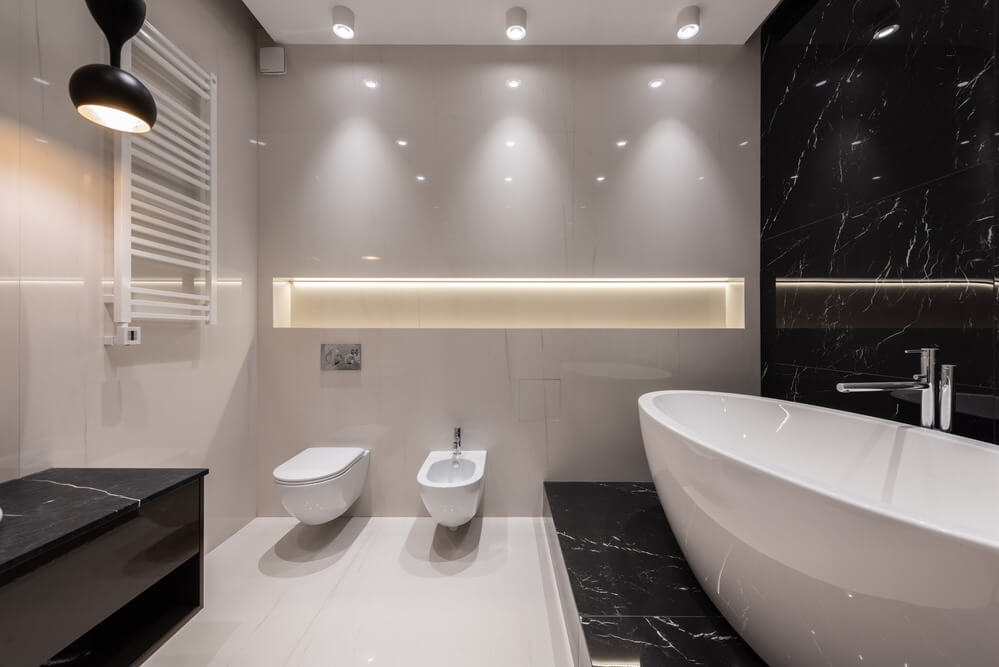
Wall-hung toilets give the illusion of hanging in the air as they aren’t attached to the floor. Like back-to-wall toilets, wall-hung toilets feature a concealed cistern behind a wall or furniture unit. This toilet style is perfect for contemporary bathrooms with its clean, simple lines and minimalist design. Wall-hung toilets are also excellent for small bathrooms, giving the illusion of using less floor space.
What are the advantages of wall-hung toilets?
- Space-saving design. Wall-hung toilets are mounted to the wall, freeing up floor space and making them an excellent choice for small and cloakroom bathrooms.
- Customisable height. You can install wall-hung toilets to a height that suits you and your specific needs. The flexibility means you can provide more comfort and accessibility for individuals with mobility issues or disabilities.
- Easy to clean and hygienic. Wall-hung toilets are easy to clean because they’re suspended over the floor and have hidden cisterns. Their design also helps minimise the build-up of germs and bacteria.
- Modern aesthetic. Wall-hung toilets offer a luxury, contemporary design to complement modern bathrooms. The clean lines and minimalistic appearance create a sleek, sophisticated look to enhance your bathroom.
- Quiet flushing. Toilets with concealed cisterns help reduce flushing noise, providing a quieter bathroom experience, which is particularly beneficial for apartments and attached housing.
What are the disadvantages of wall-hung toilets?
- Complex installation. Installing a wall-hung toilet is complicated and time-consuming. You need to mount it to the wall and conceal the cistern in a furniture unit or behind a wall, which may require a professional plumber.
- A limited weight capacity. Wall-hung toilets have a weight capacity because of their wall mounts.
- Unnoticeable leaks. If your cistern starts leaking, it can go unnoticed because it is behind the wall or a furniture unit, leading to water damage in your home.
- Limited styles. Wall-hung toilets have fewer design options and tend to cater to modern bathroom designs.
- Compatibility with existing plumbing. If you are retrofitting a wall-hung toilet in an existing bathroom, you may need to adjust your plumbing layout and positioning.

Low-level toilets
A low-level toilet refers to the toilet pan height from the floor. While most standard toilet pans stand around 400mm from the floor, low-level toilets can be as low as 300mm. The low-level pan makes these toilets ideal for children and young users.

Comfort height toilets
Comfort height toilets also refer to the toilet pan height, which is higher than a typical toilet, ranging from 43 cm to 48 cm compared to the standard 38cm, making them ideal for those who struggle with mobility issues. With styles in contemporary designs and a close-coupled style, comfortable-height toilets look fantastic in any bathroom.

Corner toilets
Corner toilets feature a corner-shaped cistern so they can elegantly back into a corner in your bathroom. If you have an awkward-shaped bathroom, corner toilets are the best space-saving solution. Get a functional, stylish, full-sized toilet, whatever the size and shape of your bathroom or cloakroom toilet.

Combination toilets
If you have a small bathroom or cloakroom toilet, you may not have room for a toilet and sink. In this case, the best option is to choose a combination toilet featuring a tiny sink on top of the toilet cistern.
Combination toilets save space and are great for saving water as they use wastewater from the sink to fill the cistern.
Toilets at Build & Plumb
Whatever your bathroom style, shape and or size, there is a perfect toilet for your bathroom. Whether you’re looking for a modern, sleek design, a toilet to fit an awkward corner or a space-saving solution, now you know all the advantages and disadvantages of all types of toilets; find the perfect toilet for your bathroom at Build & Plumb.
Discover our extensive range of different types of toilets here at Build & Plumb in our toilet collection.
Related blogs
Comments are closed here.