
How To Choose The Right Vinyl Flooring For Your Home
When you’re updating your home’s interior, flooring plays a pivotal role in creating an aesthetic and functional space. Among the many options available, vinyl flooring stands out as a practical yet stylish choice, offering versatility and durability while suiting a variety of budgets. But with so many options, finding the best one for your home can feel overwhelming.
Don’t worry—this comprehensive guide will walk you through everything you need to know about vinyl flooring to help you make an informed decision.
Table of Contents:
- What is Vinyl Flooring?
- Different Types of Vinyl Flooring
- Why Choose Vinyl Flooring?
- How Floor Colours Affect Rooms
- FAQ
- Final Thoughts
What is Vinyl Flooring?
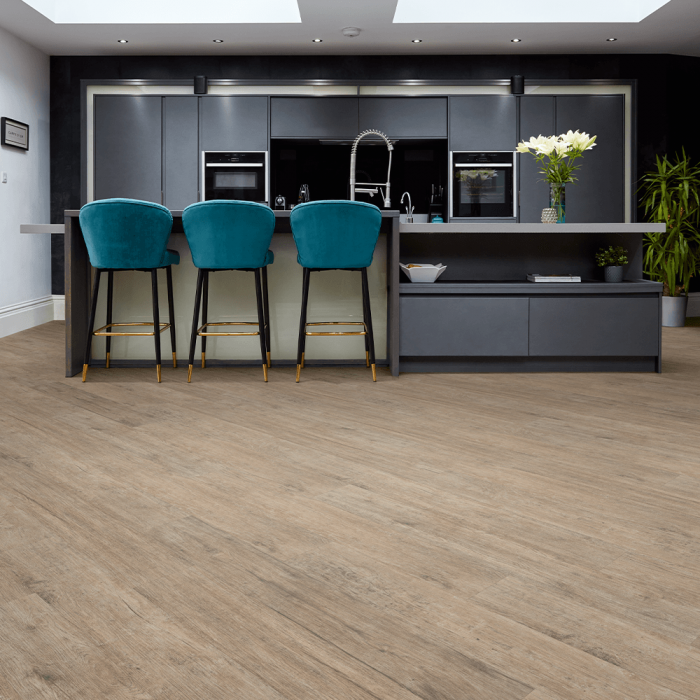
Vinyl flooring is a synthetic flooring material crafted to mimic the look of natural materials such as wood, stone, or ceramic, often indistinguishable to the eye and touch. It’s made from multiple layers, each contributing to its durability, functionality, and design versatility:
- Base Layer: Provides stability and structure.
- Core Layer: Determines the flooring’s thickness and performance (rigid or flexible cores are available).
- Printed Design Layer: This is where the flooring gets its realistic visuals and patterns.
- Wear Layer: Adds a protective shield to make the surface scratch- and stain-resistant.
- Optional UV Coating: Some vinyl floors feature this for added resilience to fading and wear.
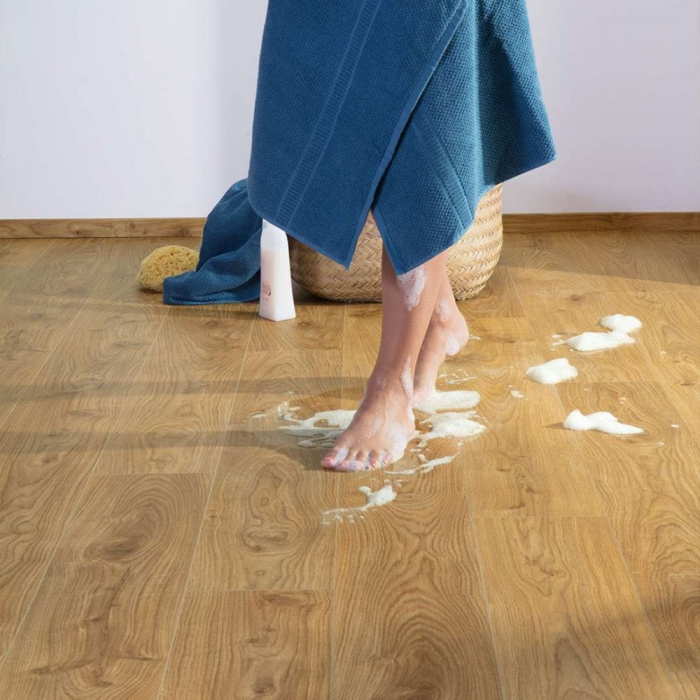
One of the biggest perks of vinyl flooring is its waterproof nature, making it an especially good choice for moisture-heavy areas such as bathrooms, kitchens, and basements.
Different Types of Vinyl Flooring
Your choice of vinyl flooring often depends on the room, your lifestyle, and your desired aesthetic. Here’s an in-depth look at the main types of vinyl flooring:
LVT Planks
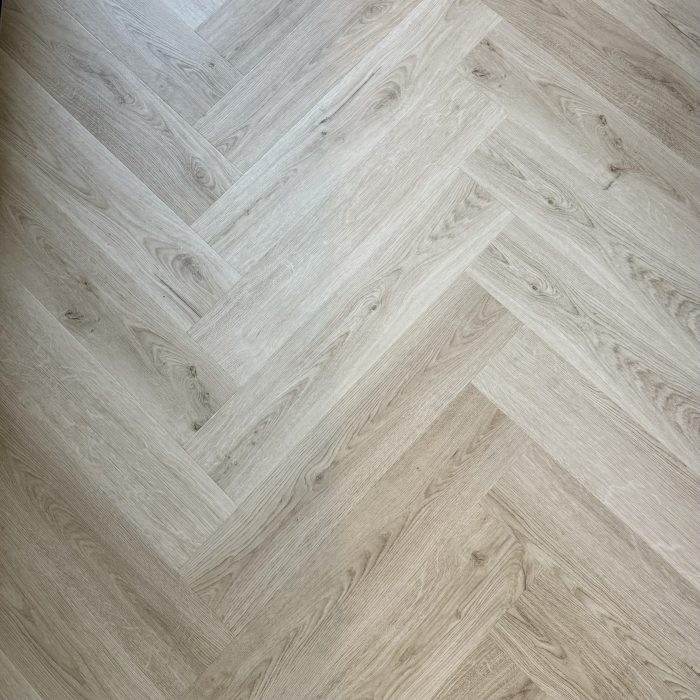
Luxury vinyl planks are designed to simulate hardwood flooring, complete with surface textures that mimic grain patterns and knots. Available in a spectrum of finishes, from rustic to modern, LVP is highly versatile. It’s durable in high-traffic areas and it’s waterproof, perfect for any room. However, it’s challenging to install without prior experience.
- Click Vinyl Planks: These planks use a click-lock system for a floating installation.
- Looselay Planks: These planks rely on their weight and friction to stay in place without glue or locking mechanisms.
- Gluedown Vinyl Planks: These planks require adhesive to secure them to the subfloor, offering a more permanent and stable installation compared to click or looselay options.
LVT Tiles
Vinyl tiles replicate the look of ceramic, porcelain, or stone tiles. They can create intricate patterns and designs while being softer and warmer underfoot compared to the real materials. These tiles offer endless customization options, making it the best choice for versatility, as well as being easy to replace individual tiles. However, some tiles have grout lines, which may require additional cleaning.
LTV Sheet
Sheet vinyl is sold as large rolls, which can either be installed as one continuous sheet or cut to fit specific sections. It’s a great option for spaces that need seamless, water-resistant flooring. This is affordable, easy to install, offers high water resistance, and a soft feel. However, it has limited designs and is difficult to repair.
Why Choose Vinyl Flooring?
Vinyl flooring isn’t just popular by chance—it offers a multitude of practical and stylistic advantages that cater to modern needs. Let’s break them down:
- Durability
Vinyl can handle heavy furniture, dropped objects, rambunctious kids, and pets—all without cracking, denting, or tearing. High-quality vinyl flooring can last upwards of 15-20 years with proper care. - Affordability
Vinyl delivers premium aesthetics without the premium price tag. Hardwood floors may be beautiful but come at a steep cost, while vinyl can match their look seamlessly within most budgets. - Ease of Maintenance
Vinyl floors require very little effort to keep clean. For example, regular sweeping and occasional mopping are all you need to maintain their pristine condition. As a result, they are an excellent choice for busy households. - Waterproof and Stain-Resistant
Vinyl’s inherent resistance to water and stains makes it a prime choice for kitchens, bathrooms, and other high-moisture environments. In addition, this feature ensures long-lasting beauty and functionality, even in the most demanding spaces. - Design Versatility
Whatever your interior style, there’s a vinyl flooring option to match. For instance, you can choose from rustic farmhouse wood looks to sleek, minimalist patterns. Ultimately, the possibilities are endless, allowing you to achieve the perfect look for your home. - Ease of Installation
Modern vinyl options, such as click-and-lock systems, make installation a breeze—even for DIYers. - Eco-Friendly Options
Some manufacturers now provide vinyl flooring made with recycled materials or low-VOC (volatile organic compound) emissions, making it more environmentally friendly.
How Flooring Shades Shape Your Space
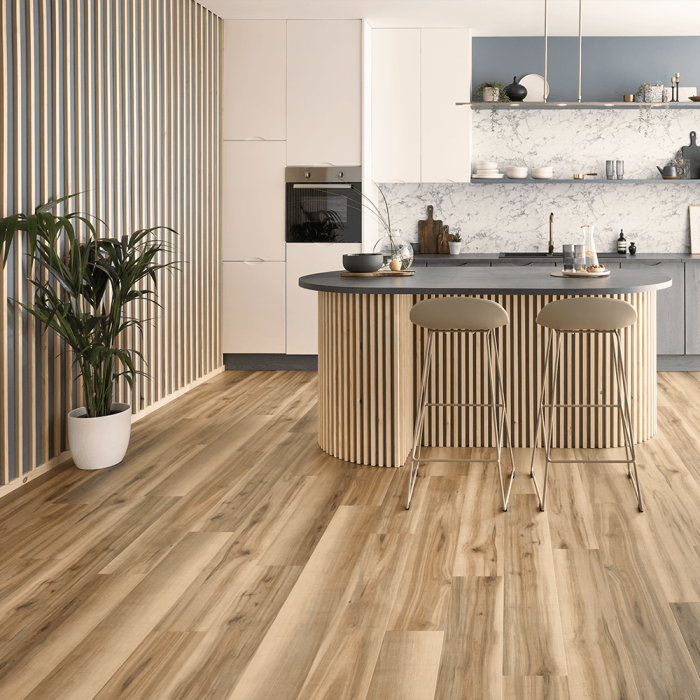
Floor colour is more than just a design choice—it significantly influences the atmosphere, size perception, and even coziness of a room. Here’s how different shades play their roles:
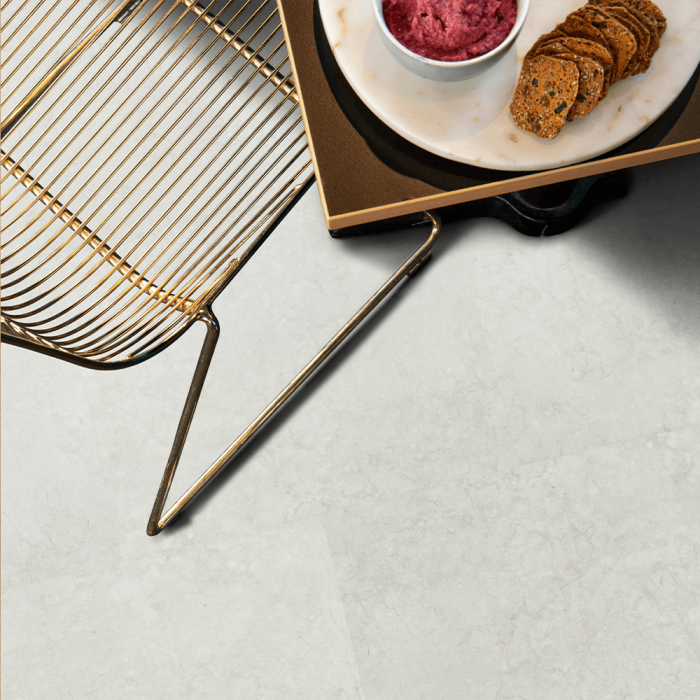
Light Colours
- What They Do:
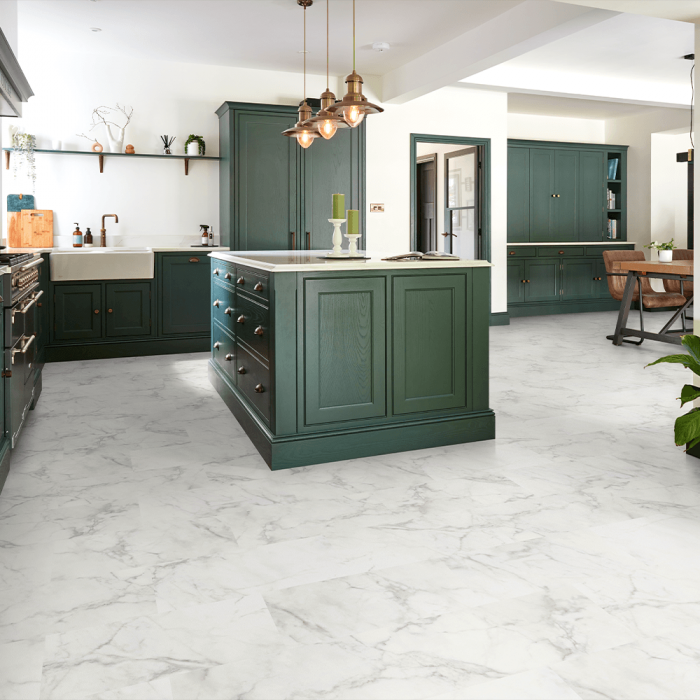
Light-toned floors like white oak or pale grey create an expansive and airy feel. They reflect light and brighten up rooms with limited natural lighting. - Best For:
Small spaces, apartments, or low-light areas such as bathrooms or enclosed kitchens. - Example:
Pair light wood-look vinyl planks with pastel-colored walls to make compact rooms appear larger and more inviting.
Dark Colours
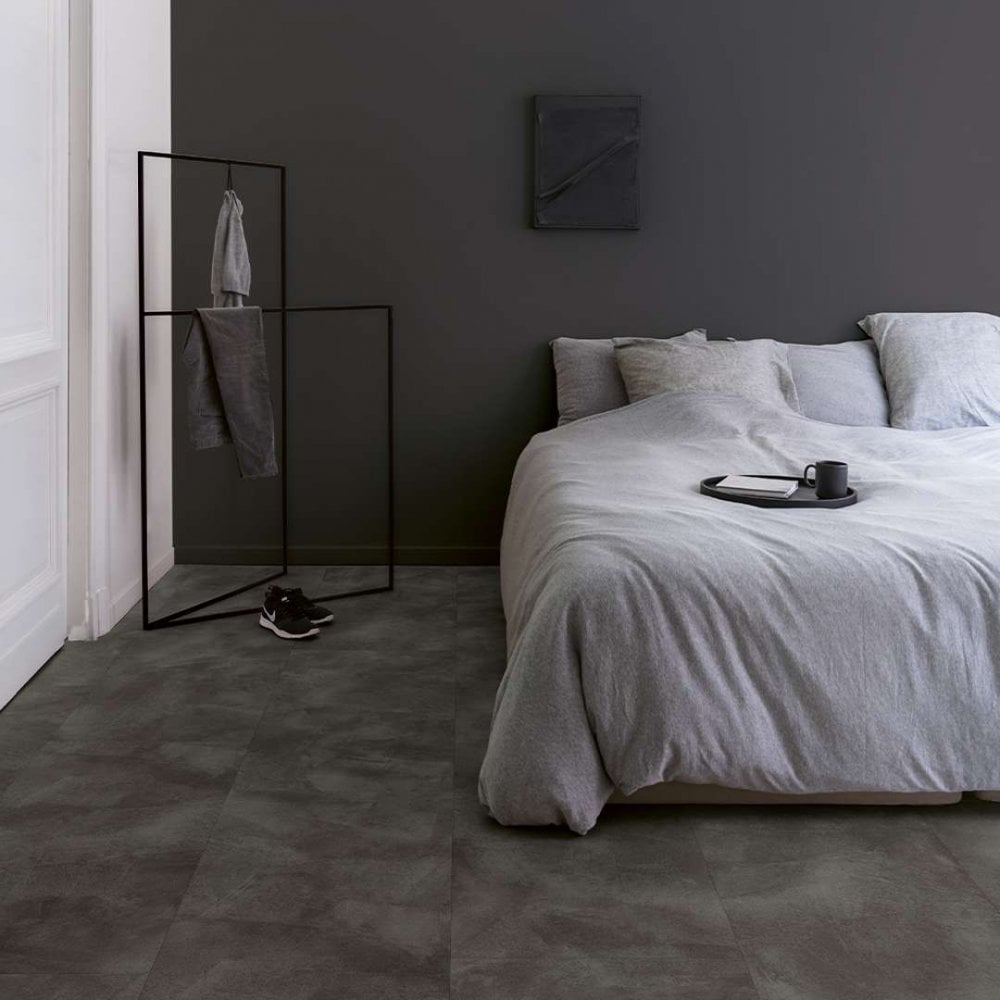
- What They Do:
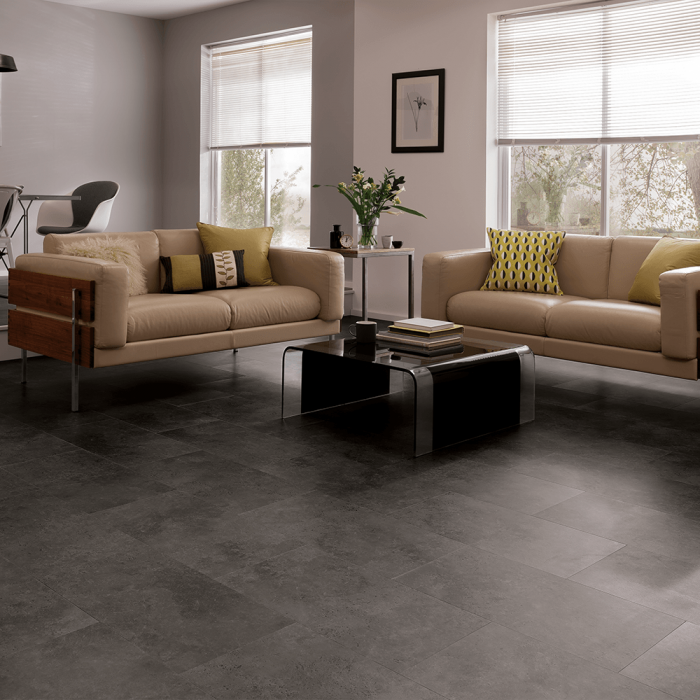
Dark tones like walnut, espresso, or black add richness and drama. In particular, they create a moody yet luxurious atmosphere that feels sophisticated. - Best For:
Large, open spaces that can balance the depth of dark floors are ideal. Additionally, they’re perfect for those aiming to create a cozy, intimate vibe. - Example:
For instance, you can contrast dark flooring with light furniture to prevent the space from feeling too heavy.
Warm Tones
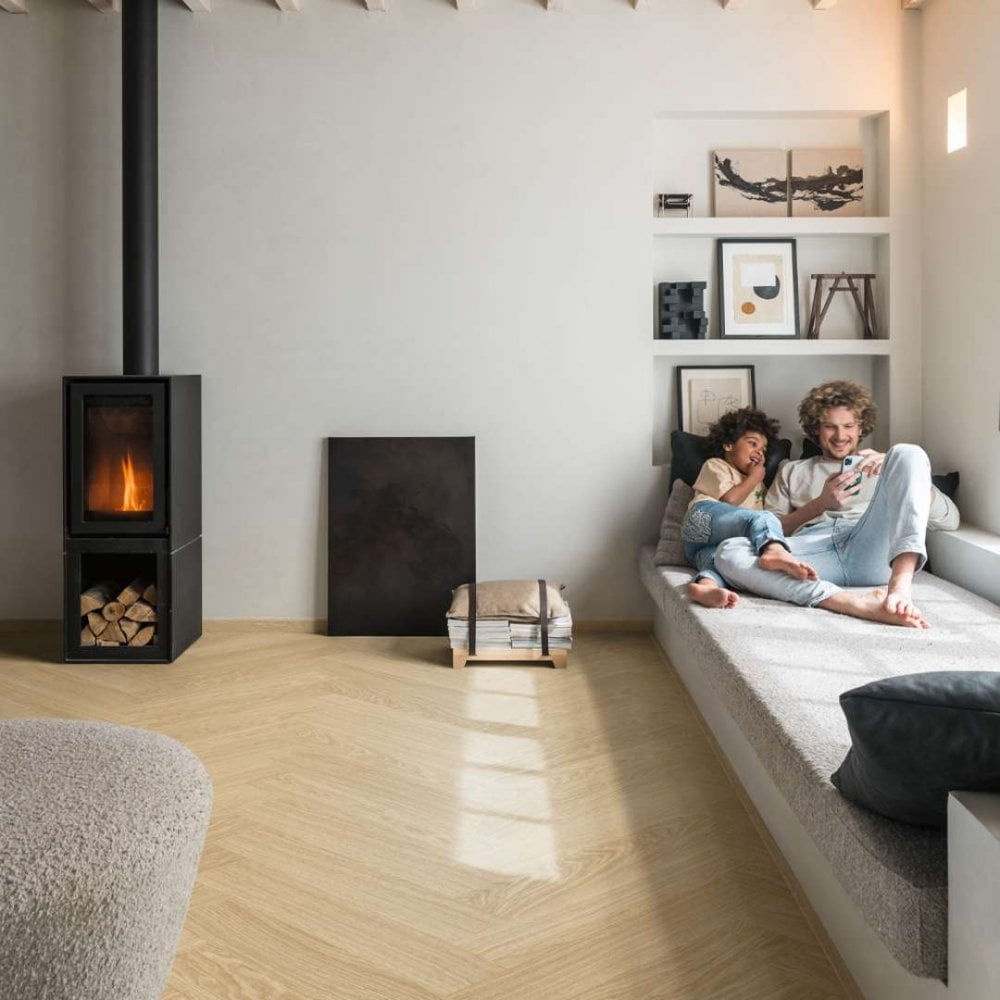
- What They Do:
Floors with warm undertones—like chestnut or honey—make spaces feel welcoming and cheerful. Moreover, they evoke a sense of warmth, much like sunlight streaming into a room. - Best For:
These tones are perfect for living rooms, family rooms, kitchens, or any spaces meant for social gatherings. As a result, they help create an inviting and lively environment. - Example:
For example, pair beige oak with a white or cream wall in a larger room to make it a focal point.
Cool Tones
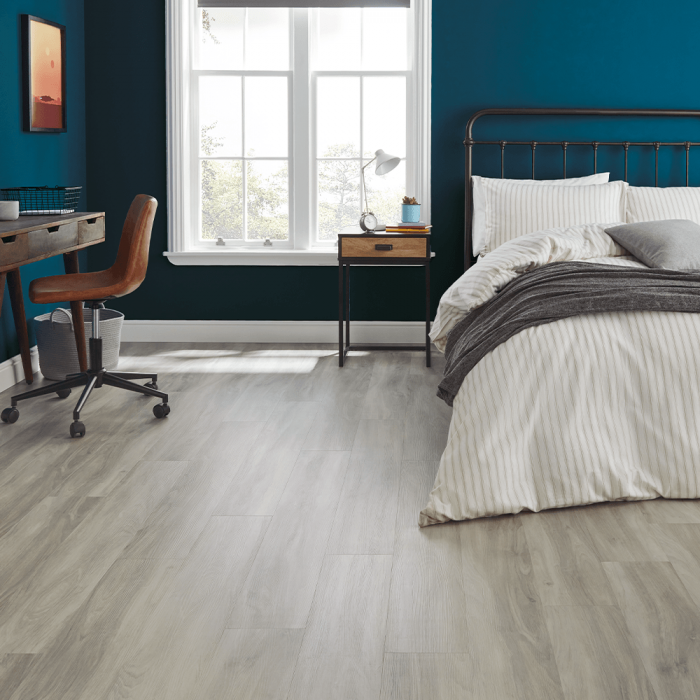
- What They Do:
Colors like ash grey, slate, or muted blues promote a calm, modern aesthetic. Cool tones work particularly well with contemporary or minimalist interiors. - Best For:
Bathrooms, offices, or any space where serenity and focus matter most. In particular, these areas benefit from the calming effect of neutral tones. - Example:
For instance, pair grey stone tiles with warm tones like white gypsum or sage green in a bathroom. Thus, this creates a versatile design that blends modern aesthetics with natural elements.
FAQ’s
Can you install vinyl flooring over tiles?
Yes, you can install vinyl flooring over tile, making it a convenient way to update your floor without removing the existing tiles; however, proper preparation of the tile surface is crucial for a successful installation, including leveling any unevenness and ensuring the tiles are clean and dry.
Can you paint vinyl flooring?
Yes, you can paint vinyl flooring, but it’s not always recommended. Painting can be a cost-effective way to update the look of vinyl floors, but it won’t hide damage like tears or cracks. Generally, painted floors can scratch, chip, and peel easily, especially in high-traffic areas.
Do you need underlay for vinyl flooring?
Vinyl flooring often doesn’t need underlayment if the subfloor is smooth and level. However, underlayment can help with sound insulation, moisture protection, and filling in imperfections in the subfloor.
How to clean vinyl floor?
Vinyl flooring is typically easy to clean and maintain, which makes it a low-maintenance flooring option. To begin with, you can sweep or vacuum regularly to remove dirt and debris. In addition, mopping with a microfiber cloth or using a mixture of water and neutral soap will help keep your vinyl floors looking their best. As a result, maintaining vinyl flooring is both simple and hassle-free.
Final Thoughts
Vinyl flooring offers the perfect balance of function, style, and price, which makes it an outstanding choice for homeowners. Moreover, by understanding its various types and their distinct benefits, you can narrow down your options. Subsequently, this will help you zero in on the choice that best meets your needs.
Additionally, don’t underestimate the power of floor colours—they can transform the energy and perception of any room in your home. With this guide in hand, you’re well-equipped to pick the perfect vinyl flooring to complement your home.
Comments are closed here.