
How To Damp Proof A House
Dampness at home causes significant problems, from structural damage and an unsightly appearance to health issues. That’s why knowing how to damp-proof effectively is key to a dry, safe, and comfy home. This article covers the best ways to damp-proof walls, how to install a modern damp-proof membrane on concrete floors correctly, and practical tips for long-term moisture protection.
What Is Damp Proofing?
Damp proofing is crucial for preventing moisture from penetrating your home’s walls and floors, which can cause significant damage and unhealthy living conditions. It involves the installation of either physical, such as a damp proof course or chemical, such as tanking slurry, barriers to control moisture.
Why Do Houses Get Damp?
Damp can manifest in various ways within a property, each with distinct causes:
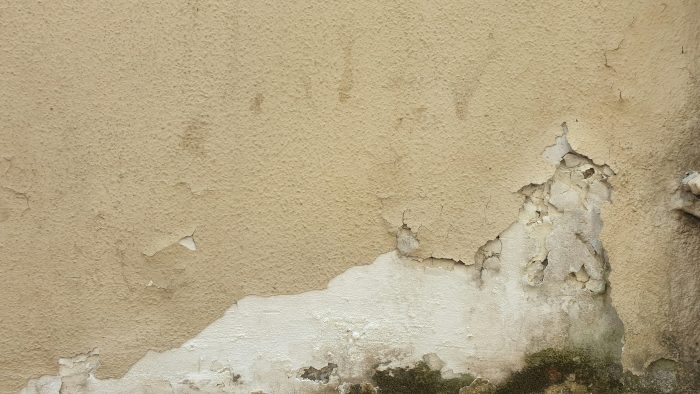
- Rising Damp: Occurs when moisture from the ground travels upwards through porous building materials, such as bricks or concrete.
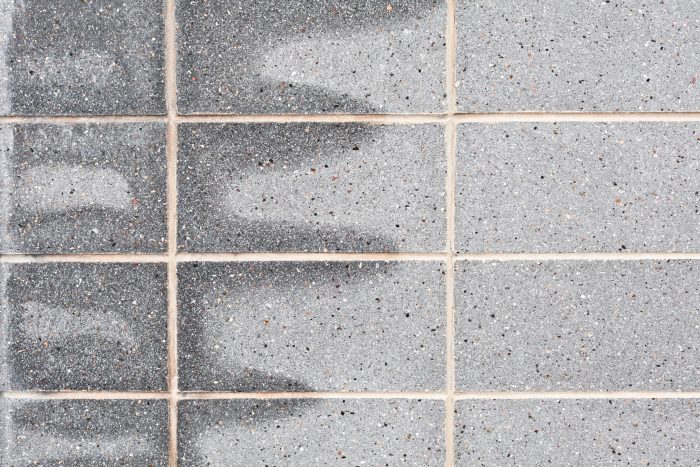
- Penetrating Damp: Results from water entering the property from external sources. Common culprits include defective pointing, leaks in the roof, or damaged gutters.
- Condensation: Forms when warm, moist indoor air comes into contact with cold surfaces, causing the moisture to condense into water droplets.

How To Prevent Rising Damp
So, if you’re noticing damp patches on your internal walls, it’s likely time to install or renew your damp proof course (DPC). Here’s a guide to what you can do yourself, or what professionals might do:
- Prepare the Area: Begin by moving any furniture, removing skirting boards, and clearing radiators or other fixtures from the affected wall.
- Remove Plaster: Strip the plaster from the wall, extending at least one metre high, to expose the masonry beneath.
- Drill Holes: Following the instructions provided with your chosen DPC kit, drill holes approximately 11mm wide, typically at the base of the wall.
- Inject Damp Proof Cream: A specialised chemical cream is injected into the drilled holes. This cream forms a water-repellent barrier within the mortar, effectively blocking any rising damp.
- Seal and Refinish: Once the cream has set (which usually takes a few weeks), patch the holes, allow the wall to dry completely, and then replaster.
While less common for DIY projects, electro-osmotic systems that use small electrical charges are another alternative.
How To Damp-Proof a Concrete Floor
But what about my concrete flooring?
Don’t worry, floor damp proof membranes (DPM) are perfect for preventing ground moisture from penetrating concrete slabs. Here’s a step-by-step guide to proper installation:
- Prepare the Floor: Clear the area by removing all furniture, skirting boards, and existing floor coverings.
- Repair Floor Damage: Fill any cracks and allow sufficient time for repairs to cure. A smooth surface is vital for an effective seal.
- Apply Primer: If recommended by your DPM product, apply a suitable primer.
- Cut and Lay the Membrane: Unroll heavy-duty polythene membrane sheets, ensuring an overlap of at least 15cm between sheets. Extend the edges 5–10cm up the walls.
- Seal Joints: Use specialist DPM tape to seal all overlapping joins, creating a continuous moisture barrier.
- Finish the Floor: Protect the installed membrane with an underlay before reinstalling your chosen flooring.
Properly installing a damp-proof membrane on a concrete floor is crucial for preventing future issues caused by rising damp.
Additional Tips and Long-Term Strategies
Preventative Measures:
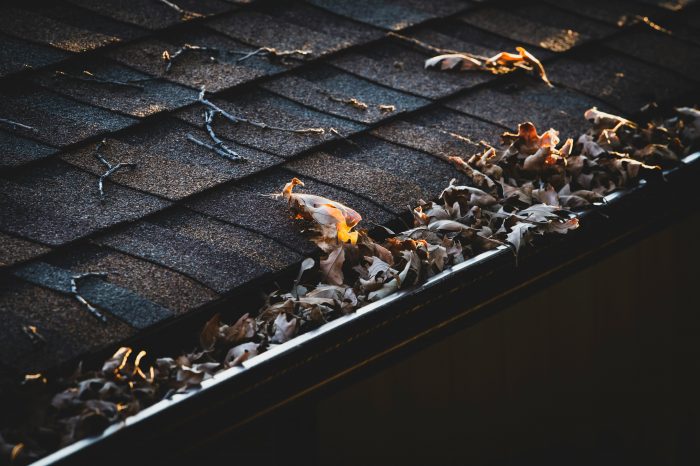
- Check Drainage: Ensure gutters, downpipes, and the surrounding ground direct water away from the foundation and are not obstructed.
- Lower Exterior Ground Levels: If external ground is above the damp-proof course (DPC) line, moisture can bypass your damp barriers.
Remedial Solutions:
- Damp-Proof Paints and Internal Treatments: For minor issues or added protection, these silicone-based coatings repel moisture from both external and internal walls.
When To Call An Expert
Severe damp problems, such as extensive black mould, crumbling plaster, or signs of structural damage, require professional evaluation and repair. You may need a specialist to install a new damp-proof course (DPC) or carry out more significant repairs.
Purchase Your Damp Proofing Materials at Build & Plumb
For UK homeowners, knowing how to damp-proof a house is crucial. You can keep your home dry and your family healthy for many years by selecting the appropriate damp-proof course for your walls, correctly installing a damp-proof membrane on concrete floors, and maintaining proper drainage.
Build & Plumb offers high-quality damp-proofing materials and expert supplies for all your DIY and professional requirements.
Comments are closed here.