
How to Unblock your Bathroom Sink: An Ultimate Tool Guide
There is nothing worse than a blocked bathroom sink. Whether your sink is not draining, water is rising when it shouldn’t, or it’s making gurgling noises, it’s time to reach for the plumbing tools.
If you have the right equipment and knowledge, you can probably solve the issue yourself, saving you a few pennies. Unblocking a bathroom basin may be easier than you think.
At Build & Plumb, we can provide the tools and knowledge to help you achieve everyday plumbing tasks in your home. Learn how bathroom sink drains work, why they get blocked and how to clear a blocked bathroom sink in this helpful guide.
Table of contents
- How bathroom sinks work
- How bathroom sink drains work
- The difference between bathroom and kitchen sinks
- Why is my bathroom sink blocked?
- How can I tell if my bathroom sink is blocked?
- How to unblock a bathroom sink
- How to unblock a sink without a plunger

How bathroom sinks work
Bathroom sinks rely on gravity-fed plumbing. Here is an explanation of how bathroom sinks work.
Water supply
Bathroom sinks function with a feed of water supply through the building’s plumbing system, supplying hot and cold water for washing. The cold water comes from the main water supply, and the hot water comes from your hot water system or boiler. Valves in the faucets control the water flow rate.
Faucet operation
The faucet or taps control the flow of water. Turning the tap handle opens the valves and allows the water to flow from the water supply through the spout and into the basin.
Gravity drainage
When water flows into the sink basin, it naturally seeks the lowest point due to gravity. As the basin fills, excess water flows into the drain.
How bathroom sink drains work
The drainage system
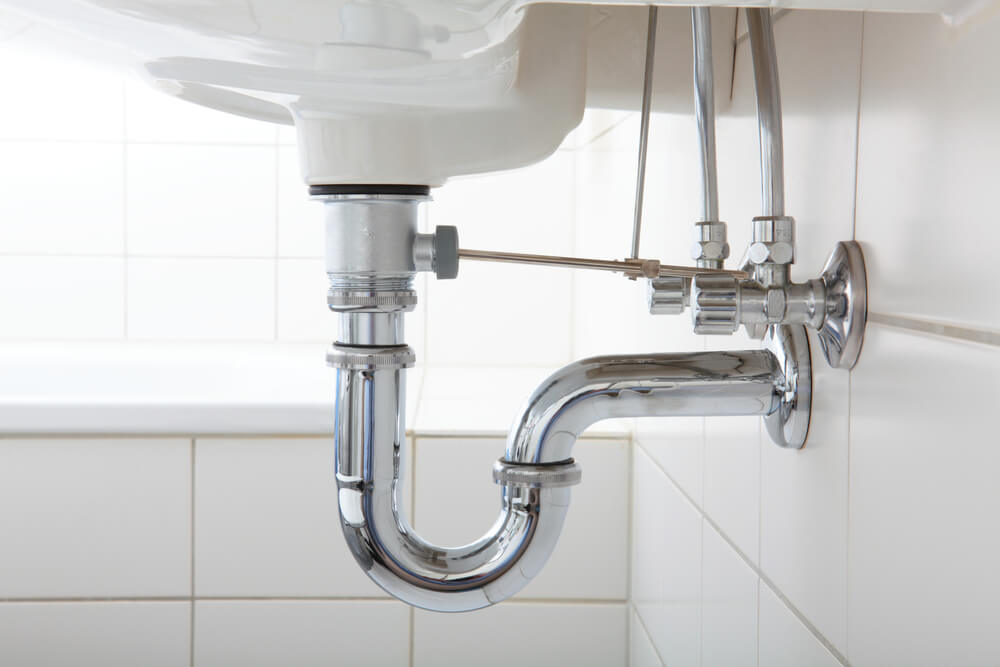
The water flows into the basin and, through the drain, into the wastewater system. The drain consists of a drain pipe and drain trap connected to the bottom of the sink basin and slopes downwards to carry the water away into the wastewater pipe.
The drain trap is the curved section of the pipe and retains a small amount of water to prevent sewer gases from entering the bathroom. Also, the drain trap will help capture debris, helping to prevent clogs further down the system.
Wastewater disposal
Once the water passes through the trap, it continues through the drain pipe and goes to the building’s sewer system or septic tank via the wastewater pipe.
Ventilation
Bathroom sinks, like all plumbing fixtures, are ventilated to allow air to enter the drainage system to prevent a vacuum from occurring. Vents prevent air pressure from building up in pipes, resulting in the syphoning effect, which slows drainage and causes a gurgling noise. Vents also prevent sewer gases from coming into the building.
The difference between bathroom and kitchen sinks
Plumbing Configuration
While bathroom and kitchen sinks may share similar drain pipes, when you compare them, they have different plumbing setups due to variations in usage and design. Bathroom sinks may feature vessel sinks, drop-in sinks, or under-mount sinks, while kitchen sinks often connect to garbage disposals and dishwashers, requiring specific plumbing considerations.
Clogging Factors
Kitchen sinks are designed to handle food waste and may be equipped with a strainer to prevent debris from entering the drain, which can impact the nature of clogs. On the other hand, bathroom sinks typically have pop-up stoppers and may be more susceptible to clogs caused by hair, soap scum, and hygiene products.
Unblocking Methods
Although both types of sinks may experience clogs, the methods for unblocking them could differ. For instance, unblocking a kitchen sink might involve addressing grease buildup, while unblocking a bathroom sink may involve dealing with hair and soap residue.
Why is my bathroom sink blocked?
There could be several reasons your bathroom sink is blocking, for example, foreign objects like hair, soap, toothpaste or tissue, along with general dirt, grime and grease. These objects can build up in the drainpipes and cause a blockage.
If the blockage is in the basin trap, you can usually resolve the issue yourself by taking the pipes apart and cleaning them. Usually, the basin trap will catch most debris.
If your sink is constantly blocked, it could also have a poor installation. Waterflow depends on gravity to drain, so if the pipes are slightly at the wrong angle, it can lead to debris buildup.
Sometimes, bad weather can cause blockages in the storm drain from leaves, dirt, debris or large amounts of water, which can cause water to back up into your home and bathroom sink.
How can I tell if my bathroom sink is blocked?
You can look for a few indications that tell you if you have a blocked sink drain.
Firstly, slow drainage indicates there is a blockage in your drain pipe.
Gurgling can indicate that the syphoning effect is occurring, indicating a blockage. If there is a blockage, it disrupts the airflow and pressure in the drain system, creating a suction effect.
Rapid draining can also occur due to syphoning. As negative pressure builds, it can drain the drain trap, allowing sewer gases to rise through the drainage system and causing unpleasant smells in your bathroom.
Lastly, if water is backing up through the pipe, it indicates your storm drain has a blockage and water is backing up through your wastewater system.

How to unblock a bathroom sink
The best way to prevent sink blockages involves creating suction to dislodge the debris through the plunger method. You can achieve this by covering the overflow opening (if present) with duct tape and using a plunger to create a vacuum seal over the drain. Then you can often dislodge the blockage and facilitate smooth drainage with a few vigorous plunges.
You will need:
Method
- Remove the pop-up plug or drain stopper and block the overflow with a cloth or tea towel to create a vacuum.
- Place the plunger sucker over the plug hole and ensure you are covering the entire plug hole. Fill the basin with water until it covers at least half the plunger head.
- Push down gently to create a seal and pump repeatedly in a vertical motion at a steady pace for a few minutes. Release the plunger to let the air out, and repeat until the water drains.
- The suction should move whatever is causing the blockage.
- If this doesn’t work, you may need to use other methods.

How to unblock a sink without a plunger
Consider using a straightened wire coat hanger to fish out any visible obstructions from the drain. Gently manoeuvre the wire to dislodge and remove the clog, taking care not to cause damage to the drain or pipes.
Drain cleaner
You can also use a liquid drain unblocker to unblock your drain, or you can try baking soda and vinegar if you prefer a natural method.
You will need:
- baking soda
- white vinegar
- boiling water
- rubber gloves
Method:
- Drain away the water in your basin and completely dry it.
- Pour one cup of baking soda down the drain, then two cups of boiling water. Wait for 3-5 minutes.
- Then, pour another cup of baking soda and one cup of white vinegar down the drain.
- Let the bubbles fizz and come out. Once they’ve disappeared, pour two cups of boiling water down the drain.
- After 20-30 minutes, check if the sink drains correctly.
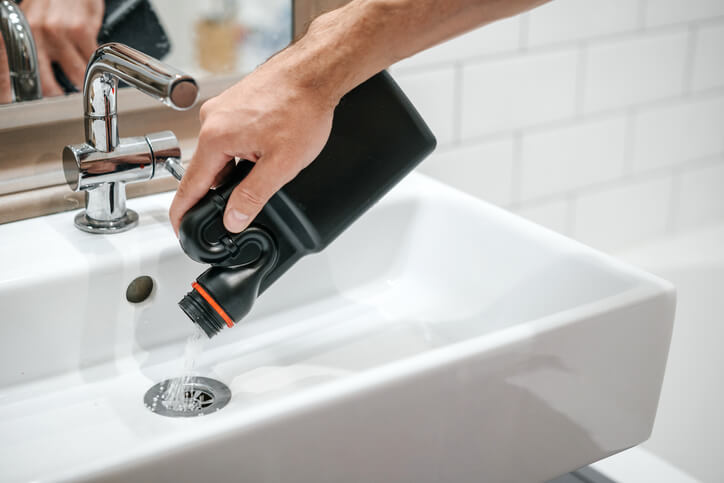
If this method doesn’t work, you may have to invest in a household drain cleaner. Follow the instructions on the bottle.

Clean the pipes manually.
If the problem persists, you may have to remove your waste trap or U-bend to clean the drain by hand.
You will need:
- rubber gloves
- bucket
- adjustable screwdriver/ wrench
- screwdriver
- old towel or rag
Method:
- First, turn off your main water supply and clear the space underneath the sink.
- Place a towel and bucket underneath the basin to catch water in the pipes.
- Note how the basin trap is attached so you can reattach it once you’ve finished.
- Loosen the fittings that connect the U-bend to the basin with the wrench or screwdriver and catch any water that falls out.
- Be careful not to lose any fittings like rubber seals or washers.
- Remove the U-bend and clear the blockage by pushing a piece of flexible wire through the pipe or using your hands.
- Once you’ve cleared the blockage and cleaned the pipe, reassemble the U-bend, ensuring it’s completely sealed.
- Turn the water back on and check for leaks.
If you are unable to take the drain pipe apart or the blockage is further down the wastewater pipe, you can also remove a blockage using a drain snake, electric drain snake or pole and rod system with a worm screw or plunger.
Unblock your sink with plumbing tools at Build & Plumb.
Whether you’re a plumber by trade and want to replenish your tool collection or a keen DIY-er and want to clear and maintain your home drains, all you need is a few basic plumbing tools. Stay equipped to tackle everyday plumbing issues in your home with our complete collection of plumbing and drain cleaning tools at Build & Plumb.
Remember, for severe or stubborn blockages, it’s always best to consult a professional plumber to assess and address the issue effectively.
Related blogs
Comments are closed here.