
The Ultimate DIY Guide: Transform Your Home this Winter
Winter is an ideal season to tackle home improvement projects that not only transform your living space but also boost your home’s energy efficiency. As colder weather encourages us to spend more time indoors, it’s the perfect time to focus on projects that make your home cozier and more functional. Here’s a comprehensive guide to winter-friendly DIY projects, packed with tips and advice.
Table of contents
A Fresh Coat of Paint
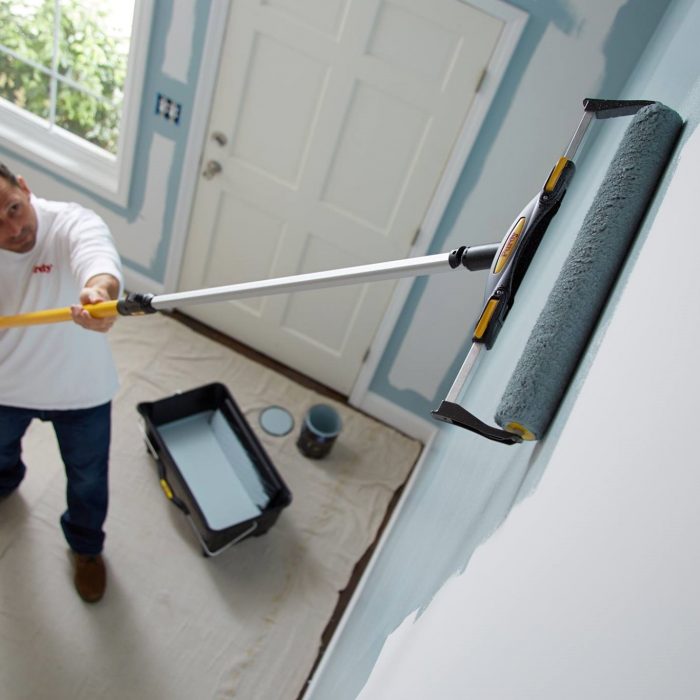
Painting is one of the easiest and most cost-effective ways to refresh your home. Plus, winter’s dry air can speed up drying times, making it a surprisingly suitable season for this project. Follow these steps to ensure a flawless, professional finish:
- Preparation
Move furniture out or cover it with dust sheets. Clean the walls with a mild detergent to remove dust and grease. Fill any holes or cracks with products such as Fibreglass Tape or a Hole Filler. - Choosing Colours
Consider the mood you wish to evoke. Lighter shades can make small spaces feel larger, while deeper hues bring warmth and intimacy. Test samples to see how they look in different lighting throughout the day. - Gathering Materials
Get high-quality paint, paint, brushes, rollers, painter’s tape, and a primer (if needed). Eco-friendly paints with low VOCs are ideal for maintaining indoor air quality. - Painting Techniques
Tape off trim and ceilings to ensure clean edges. Begin with primer if needed, then edge with a brush before using a roller on larger areas. Apply at least two coats, letting each dry fully. - Ventilation
Even in winter, ensure proper ventilation by opening windows slightly or using fans to circulate air and minimize paint fumes.
Bathroom Refresh

Revamping your bathroom can greatly improve both its style and functionality, transforming it into a more pleasant and efficient space. Start by determining whether you’re planning a simple refresh or a complete overhaul. Set a realistic budget and timeline, and map out the changes you want to implement.
Here are a few easy updates that can make a big impact:
- Replace Fixtures
Swapping outdated taps, toilet seats, and cabinet handles for modern styles can instantly elevate the room. Consider opting for a frameless shower door for a sleek, contemporary look. - Replace Showerhead
Upgrading your showerhead can boost water efficiency, lower utility bills, and improve your shower experience. Choose a model that fits your style—high-pressure, rain, or water-saving. - Add a Fresh Coat of Paint
A new color can redefine the space. Light colors can make the room feel larger and more open, while darker tones create a cosy, spa-like atmosphere. - Upgrade Lighting
Good lighting can change the ambiance entirely. Consider layered lighting with illuminated mirrors, ambient ceiling fixtures, or even wall sconces for a more polished look. - Incorporate Stylish Storage
Clever storage solutions, such as open shelving, wall-mounted vanity units, or baskets, not only add function but can also serve as a decorative element. - Enhance with Accessories
Add personal touches like mirrors, plants, and stylish towel racks. These small additions can infuse personality and make the space feel more inviting.
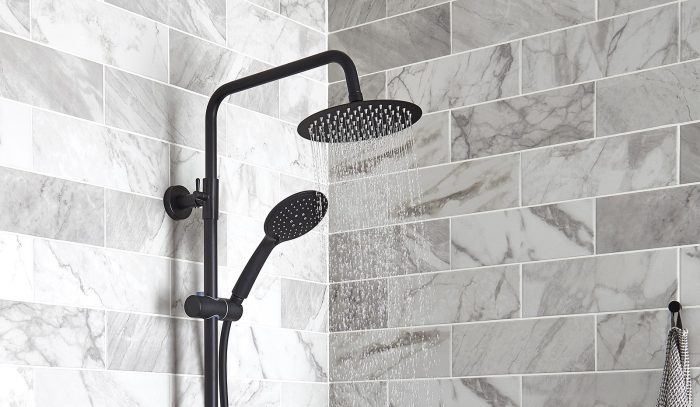
Once you’ve completed these small updates, you’ll be amazed at how much fresher and more modern your bathroom feels without committing to a full renovation. For those considering larger changes, such as new tile work or reconfiguring the layout, consulting a professional can ensure your project stays on track and meets your vision.
Improve Insulation
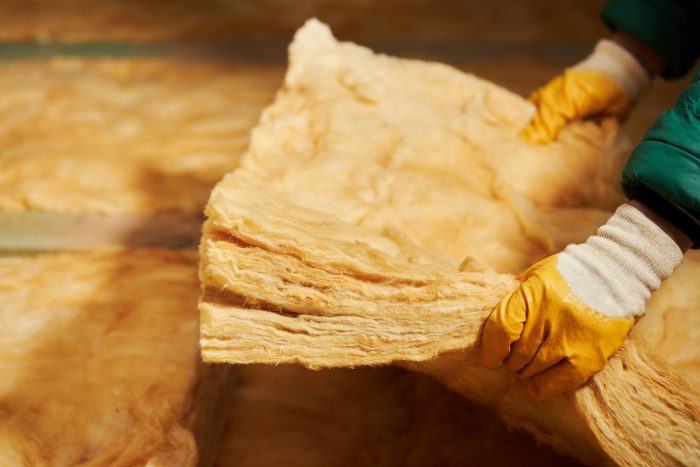
Improving your home’s insulation is one of the most effective ways to increase indoor comfort and lower energy bills year-round. Proper insulation helps retain heat in the winter and keep your home cooler in the summer, making it a smart long-term investment. Here’s how to get started with the key areas, materials, and installation techniques that will maximise results.
- Focus on Key Areas
As heat rises, up to 25% of a home’s heat can escape through an uninsulated or poorly insulated attic. Insulating this area reduces heat loss and can significantly cut heating costs.
Exterior walls account for a large portion of heat transfer, especially in older homes. Adding or updating wall insulation helps maintain a consistent indoor temperature. - Choosing the Right Materials
Selecting the right insulation materials can make a big difference in performance and ease of installation:
Rigid Insulation Boards (e.g. PIR boards), are known for their high thermal efficiency, PIR boards are durable, versatile, and suitable for walls, floors, and roofs. They offer strong insulation in a slim profile, saving space in smaller areas.
Another option is multifoil insulation. This thin, reflective material is excellent for insulating tight spaces. It helps reflect heat back into the room and can be layered with other insulation types for enhanced performance.
For soundproofing along with thermal insulation, consider acoustic insulation materials like sheep’s wool, which are both sustainable and effective in reducing noise transfer between rooms. - Installation Tips
Before adding insulation, use caulk or expanding foam to seal any air leaks around windows, doors, and floorboards. This will prevent drafts and enhance the insulation’s efficiency.
Especially in attics and basements, proper ventilation is key. Good airflow prevents moisture buildup, which can lead to mold, rot, and insulation damage over time. Ensure that vents are unobstructed, and consider adding vapor barriers if needed. - Financial Benefits
While there is an upfront cost, improved insulation often pays for itself through reduced utility bills within a few years. Some insulation types may also qualify for government incentives, adding to the savings.
Improving your home’s insulation can make a noticeable difference in both comfort and cost-efficiency. Whether you tackle it as a DIY project or work with a professional, a well-insulated home is a valuable asset that will benefit you year after year.
Clean Your Gutters
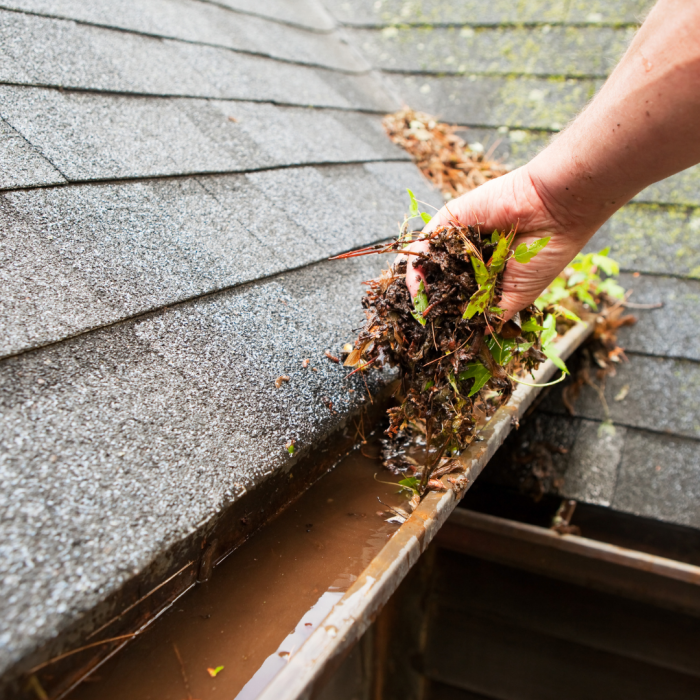
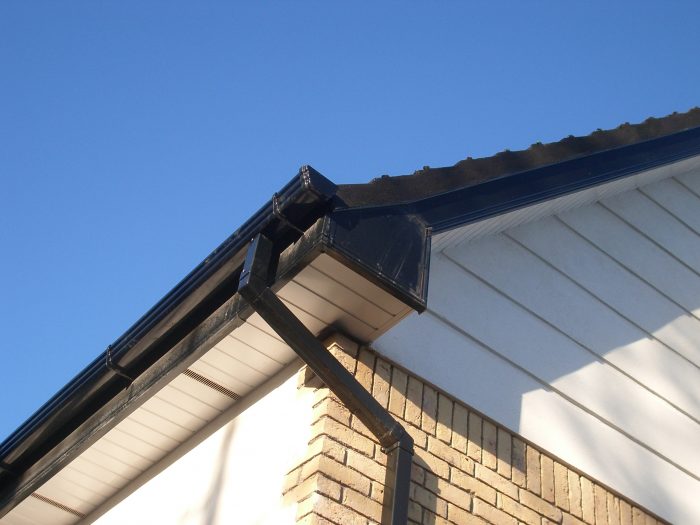
Proper gutter maintenance prevents water damage, especially during winter storms. Autumn leaves and debris can clog gutters, so a seasonal clean is essential.
- Why It’s Important
Neglecting gutter maintenance can lead to expensive repairs. Blocked gutters cause water to back up, potentially damaging your roof, walls, and foundation, and increasing the risk of mold growth. - Tools You’ll Need
- A sturdy ladder
- a pair of Gloves
- a hose
- a bucket for debris
- Cleaning Steps
Carefully remove leaves and debris, checking for signs of wear or leaks. Flush gutters with a hose to confirm water flows freely. - Preventative Measures
Consider gutter guards to reduce further maintenance. Regular upkeep can prevent costly repairs
Install New Flooring
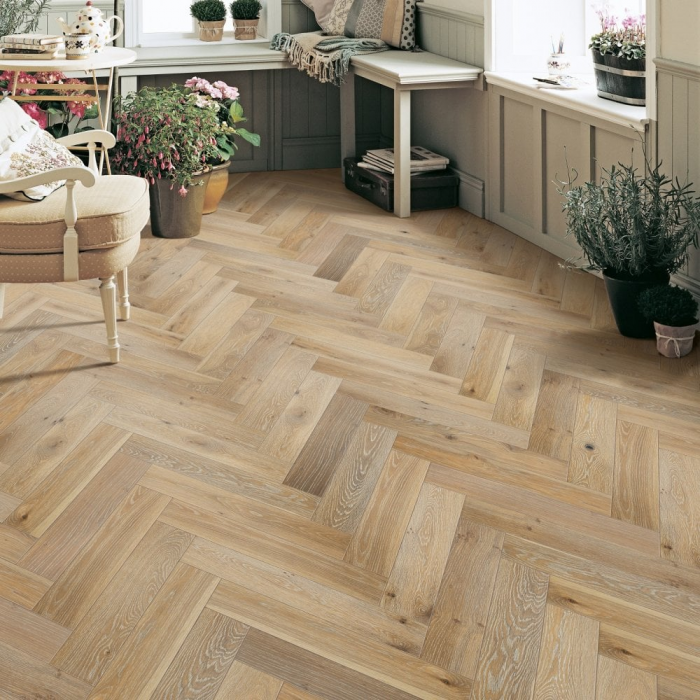
New flooring can transform the look and feel of any room, enhancing both style and functionality. Here’s a guide to choosing the best flooring for your space, along with tips for installation and maintenance to keep it looking great over time.
- Laminate
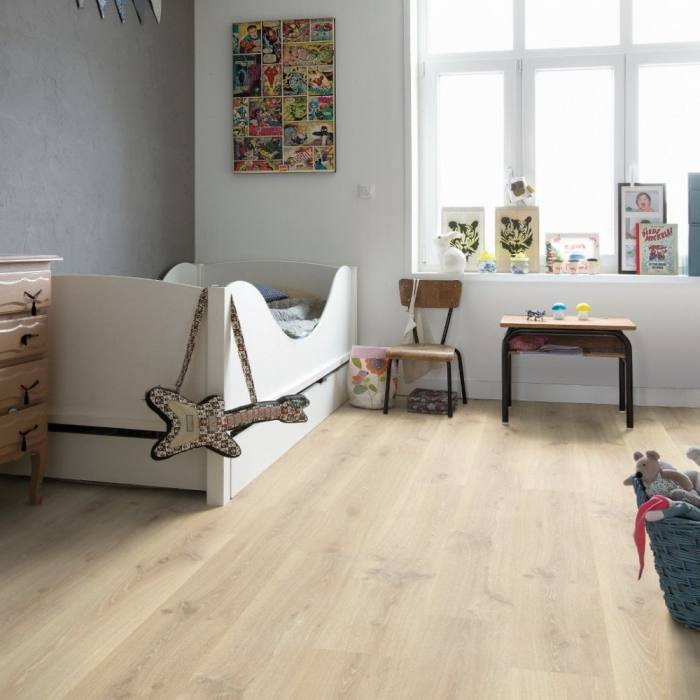
Laminate flooring is an affordable, low-maintenance option that mimics the look of natural materials like wood or stone. It’s highly durable and scratch-resistant, making it a great choice for busy areas or households with kids and pets. Installation is straightforward, especially with click-and-lock systems, making it an ideal DIY project. - Luxury Vinyl Tile (LVT)
Luxury Vinyl Tile is known for its durability and water resistance, making it perfect for bathrooms, kitchens, and mudrooms. LVT provides a slight cushioning underfoot for comfort and is easy to maintain, with a range of styles that can replicate wood, stone, or tile looks. - Engineered Wood
Engineered wood is a stylish choice that brings the warmth of natural wood with enhanced durability. Its layered construction makes it more stable than hardwood, making it resistant to warping and an excellent choice for areas with varying humidity. - Hardwood
Timeless and durable, hardwood flooring adds a classic, elegant touch to any room. Its natural beauty increases with age, and it can be refinished multiple times to maintain its appeal. Hardwood works especially well in living rooms, dining rooms, and bedrooms, where you want a warm, inviting feel.
Considerations for Underfloor Heating
If you’re considering installing underfloor heating, it’s essential to choose flooring materials that are compatible with this system. Engineered wood and ceramic tiles are both excellent choices, as they conduct heat well and provide a comfortable surface.
Make sure to consult with your flooring supplier to confirm that your selected materials are suitable for use with underfloor heating to ensure optimal performance and comfort.
Frequently Asked Questions:
- How to get rid of mold in bathroom
Use a mold remover like Zinsser or try vinegar (for general cleaning). For deep-set spores, bleach or alcohol works, but it may damage some surfaces. Always follow with a waterproof seal. - How to Insulate Your Home
Installing loft insulation, underfloor heating, draught proofing, double glazing, and updating your boiler. There are also other ways to keep your home warm without breaking the bank, such as thick carpets and thermal curtains. - How to Avoid Cold Flooring
If underfloor heating isn’t an option, consider rigid insulation foam with chipboard, or add rugs for warmth. - How much does Gutter Cleaning Cost?
In the UK, the average hourly rate is £20-£30. With larger properties or if scaffolding is needed, prices increase. It’s recommended to clean your gutters twice a year to prevent damage from blocked gutters.
Conclusion
Tackling DIY projects in winter can make your home more comfortable and efficient, giving you a productive way to spend time indoors. From energy savings to improved aesthetics, these projects offer lasting benefits. So, gather your tools and unleash your creativity to transform your home this winter.
Ready to winterproof your home? Explore our top products to beat the cold here!
Related Blogs
Comments are closed here.