
Why Paving Slabs Fail And How To Fix Them
Outdoor paving can dramatically enhance patios, driveways, and garden paths. However, even high-quality paving materials can develop problems over time due to weather, installation errors, or natural chemical reactions.
This guide explains the most common paving problems and how to fix them, helping homeowners and landscapers maintain durable and attractive outdoor spaces.
1. Efflorescence
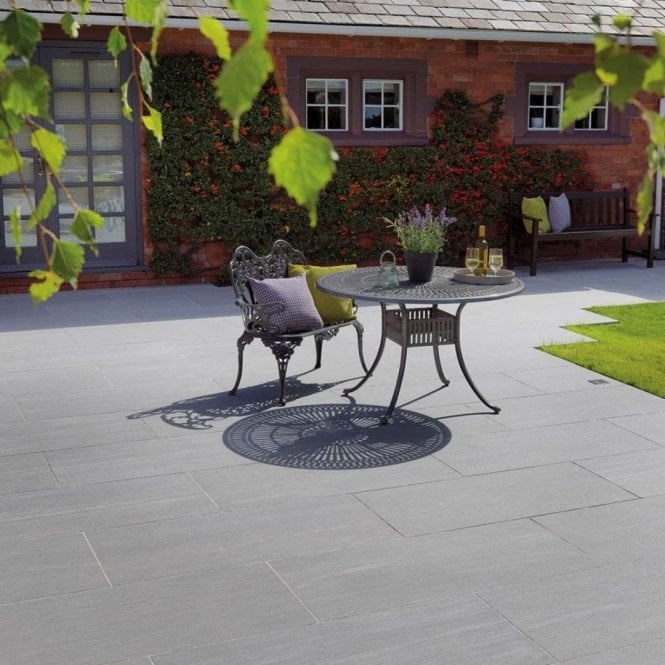
Efflorescence is one of the most frequently searched paving problems. This happens when water reacts with cement in paving materials and carries natural salts to the surface. When the water evaporates, it leaves behind a white deposit.
How to fix efflorescence
- Brush the surface with a stiff broom
- Allow natural weathering (often disappears within months)
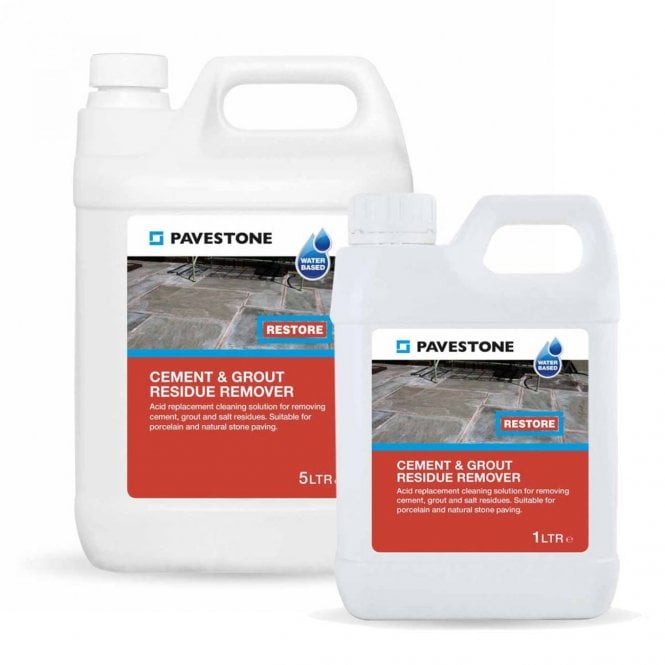
- Use a specialist cleaner like this Pavestone Residue Remover
Prevention tips
- Ensure proper drainage beneath paving
- Avoid excessive washing immediately after installation
If you’re installing a new patio, choosing high-quality paving materials can reduce the risk of staining. Options such as Pavestone sandstone paving like Golden Fossil Sandstone Paving Slabs are designed to provide long-term durability for patios and terraces.
2. Acid Staining (Brown Staining)
Acid staining, also called brown staining, can appear on paving surfaces, especially natural stone. It usually shows up after rainfall or where voids exist beneath the slabs. This happens when acid comes into contact with the stone or natural iron is drawn out. The brown stains generally occur when voids are present beneath the slabs, after rainfall, if acid has been applied, or a combination of all three.

How to Fix It
- Re-level slabs if voids are causing staining.
- Identify and remove any sources of acid exposure.
- Clean affected areas with Pavestone iron stain remover
3. Upside-Down Installation
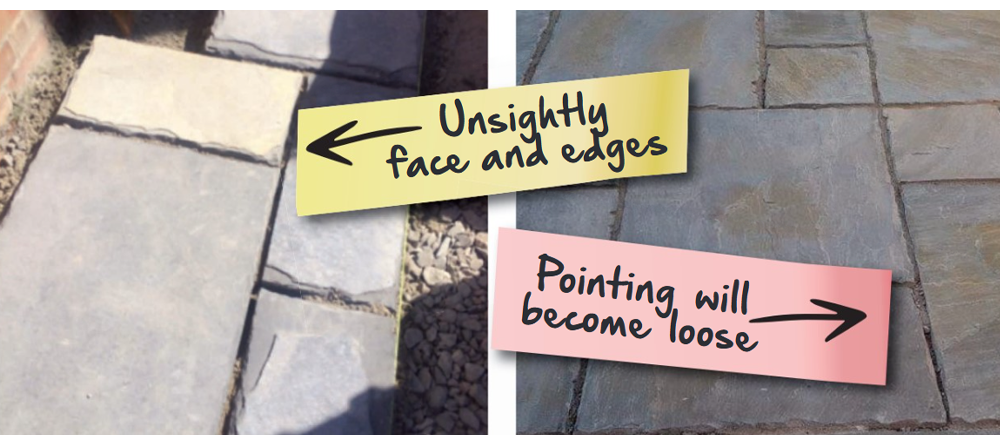
Natural stone paving should always be laid with the chamfered edge down. Laying slabs upside down creates joints that are too wide and prone to crumbling. The underside of the slab can also be rough, over-riven, discoloured, or unsightly. For granite, ensure the textured face is up and the smooth face down.
How to Fix It
- Check slab orientation before installation.
- Re-lay any slabs that were installed upside down.
- Ensure chamfered edges face down and follow correct bedding and jointing techniques.
For step-by-step installation advice, see this helpful guide on how to lay paving slabs correctly.
4. Organic Stains
Organic stains occur naturally when leaves, berries, moss, algae, or other plant debris come into contact with paving. Over time, they can leave green, brown, or dark marks, especially on shaded or damp areas. While mostly cosmetic, they can make your patio look untidy and slippery in wet conditions.
How to clean organic stains from paving
- Sweep regularly
- Use a mild patio cleaner
- Apply an algae remover if needed
- Pressure wash on a low setting
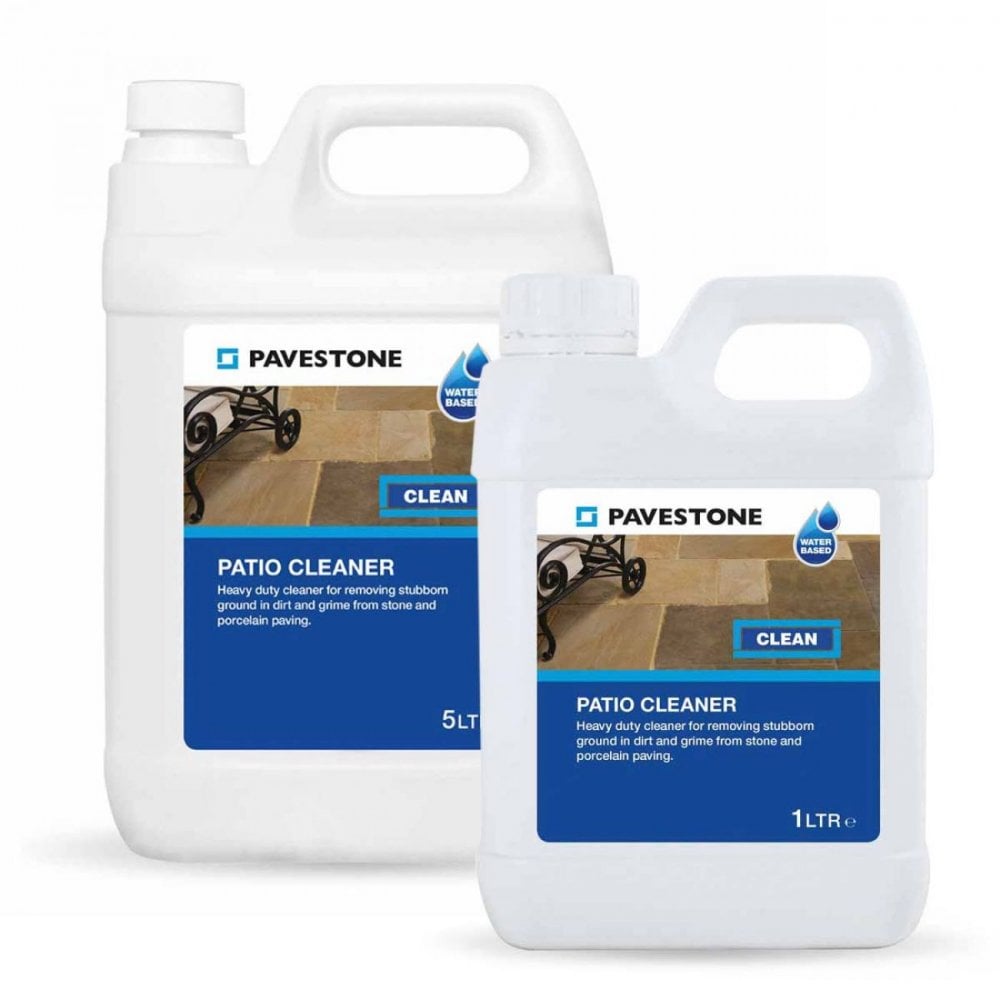
- Paving cleaner like this
Some materials, like porcelain paving slabs, are naturally resistant to staining and require less maintenance than porous natural stone.
5. Blending Packs
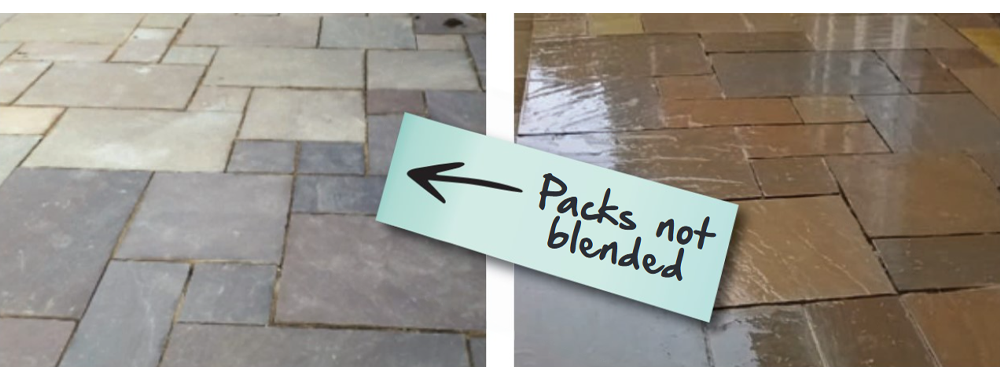
Colour variation is a normal characteristic of paving slabs, even when using the same product. No stone supplier can guarantee that products from different production batches will have identical colouration. Left unblended, this can result in noticeable differences across a patio, driveway, or pathway, making the finished surface look patchy or uneven.
How to Ensure a Blended Appearance
- Use slabs randomly from all packs during installation rather than laying one pack at a time.
- Whenever possible, purchase all your paving at the same time to minimise variation between batches.
- Randomly mixing the slabs during installation helps create a more natural, uniform finish that balances subtle colour differences across the surface.
See Pavestone’s guide on how to colour blend natural stone paving for a better understanding.
6. Batch Coding
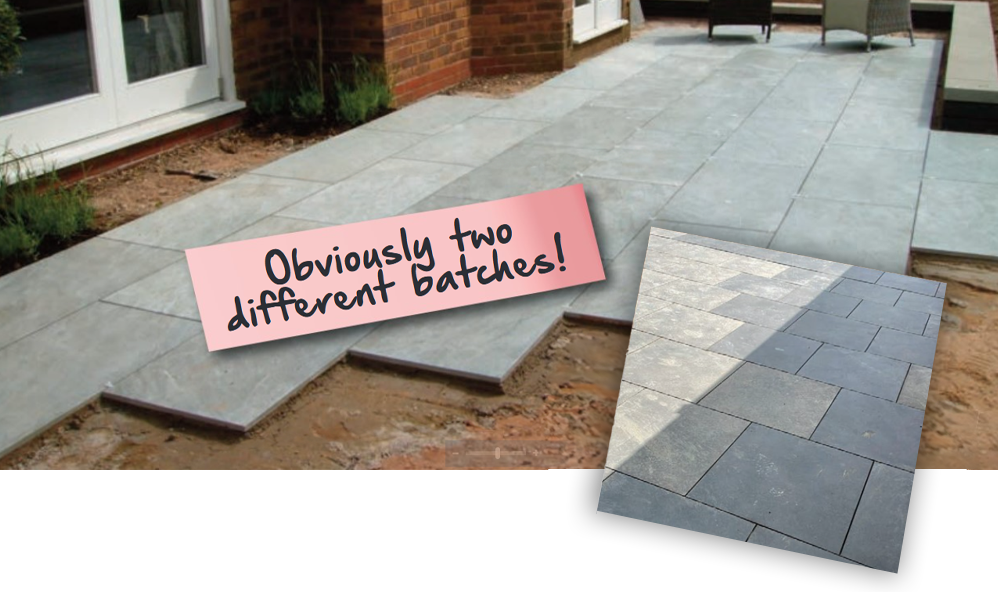
Porcelain paving is made in numbered batches, and each batch can have slight differences in colour or size. Using slabs from different batches without checking can cause noticeable variation across your patio or driveway.
How to Ensure Consistency
- Make sure all packs have the same batch code.
- Open multiple packs and mix slabs from different packs to blend subtle colour differences and spot incorrect batches early.
- For both rectified and non-rectified paving, check colour and size by laying one slab from each pack side by side before installation.
Following batch coding guidelines ensures a uniform, professional finish and avoids surprises during installation.
FAQ
Why are my paving slabs turning white?
White stains are usually efflorescence, a natural reaction between water and cement that leaves salt deposits on the surface.
How do you fix uneven paving slabs?
Lift the slab, re-level the base material, and reinstall it using a full mortar bed.
Can paving stains be removed?
Yes. Most stains can be removed using specialist paving cleaners, pressure washing, or mild detergents.
Final Thoughts
Understanding common paving issues can help you maintain a beautiful patio or driveway for years to come. With correct installation, regular cleaning, and high-quality materials, most paving problems can be easily prevented or fixed.
By following troubleshooting guidance from Pavestone and choosing reliable paving products, homeowners can create durable, long-lasting outdoor spaces that enhance both property value and garden design!
If you want more information, we recommend this troubleshooting guide, perfect for helping with any paving problem you may encounter.
Comments are closed here.