
How to keep your house warm in winter: 13 easy changes
As the days get colder, you might be reaching for that thermostat. But if finances are tight, and extra woolly jumpers and blankets aren’t cutting it, you might be looking for additional ways to keep your house warm this winter.
In this guide, we’ll go through how to keep your house warm in winter with some easy DIY fixes to more extensive long-term solutions.
It is important to note that some of our recommendations are easy fixes that everyone can try out to keep their home warm during winter, while others are geared towards homeowners who can make permanent changes to their house. That said, if you rent your property and feel constantly cold in your home while you have the heating on, or your heating bill feels unusually high, you can ask your landlord to make some of these changes. It’s their responsibility to maintain a minimum of an ‘E’ or above rating in the EPC (Energy Performance Certificate) so you have liveable housing.
Without further ado, here is an easy list to keep your house warm in winter. Read on to find out more details about each one.
13 ways to keep your house warm:
- Draught-proof your windows and doors
- Insulate hot water pipes
- Bleed your radiators and clear sludge
- Install radiator reflectors
- Set up or upgrade heating controls
- Improve hot water cylinder insulation
- Top-up loft insulation
- Upgrade boiler
- Insulate your walls
- Use thick curtains or thermal blinds
- Place rugs on bare floors
- Seal chimney
- Close off unused rooms
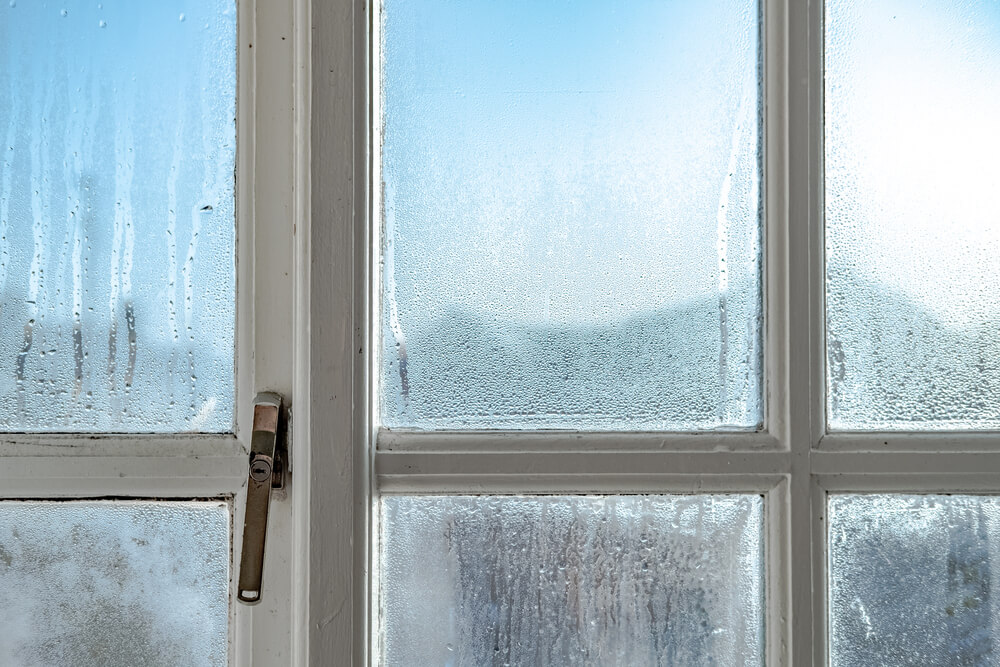
1. Draught-proof your windows and doors
One of the main ways your home loses heat is through your windows and doors. Ensure your home isn’t letting heat escape through the windows and doors by draught-proofing.
You can use DIY draught-proofing strips for an easy and inexpensive fix. Or, for a more long-term and permanent solution, you can get someone to come and complete a professional draught-proofing.
Build & Plumb recommends: Seal your doors with brown or white Bladed Dual Seal Intumescent to keep draughts at bay.
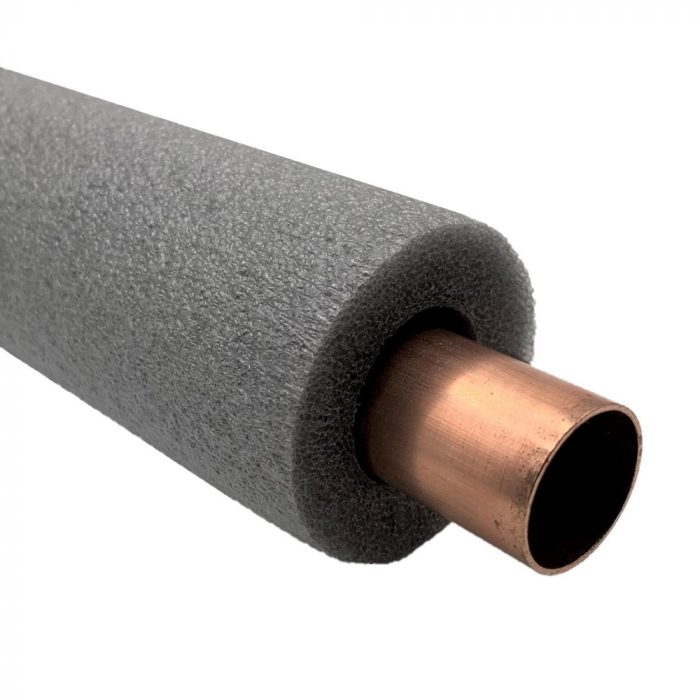
2. Insulate hot water pipes
Insulating your hot water pipes is an easy way to save energy and reduce heat loss from your heating system. Pipe lagging can prevent heat from escaping from the pipes as the hot water moves around your home. It can also prevent your pipes from freezing over or bursting during freezing weather and, with that, the risk of expensive pipe repairs.
Build & Plumb recommends: All you need is a length of foam pipe insulation, which you can slip over your pipes.
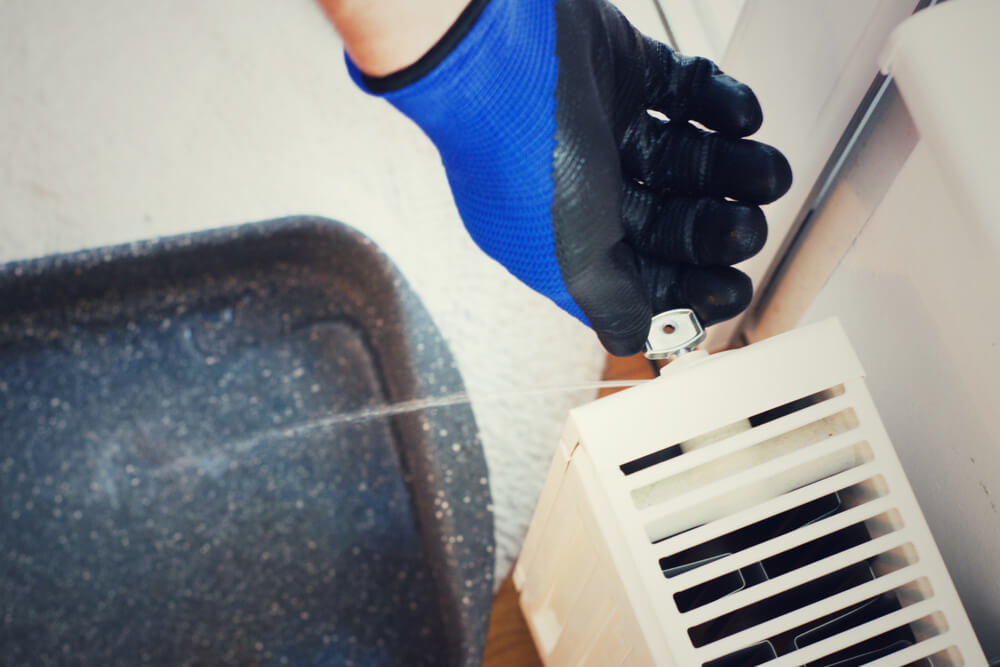
3. Bleed your radiators and clear sludge
If your radiators have cold spots along the top, they may have trapped air inside. Trapped air causes your radiators not to heat up properly, resulting in an inefficient heating system. You must bleed them with a radiator bleed key if this is the case.
Read our guide on DIY Radiator Bleeding: How to Bleed a Radiator to find out how to make your radiators run more efficiently.
If your radiator is cold at the bottom but hot at the top, a sludge build-up is likely restricting the hot water flow. In this case, you must isolate the radiator and clean it by flushing out all the water and sludge using a garden hose. Once your radiator is back on the wall and you’ve bled the air out, it will work much more efficiently.
4. Install radiator reflectors
Another way you can prevent losing heat from your radiators is to install radiator reflectors between your radiators and the wall. Radiator pads prevent heat from being lost in the wall and reflect it back into the room.
Help your radiators distribute the most heat possible by removing all furniture and radiator covers that might be absorbing their heat.
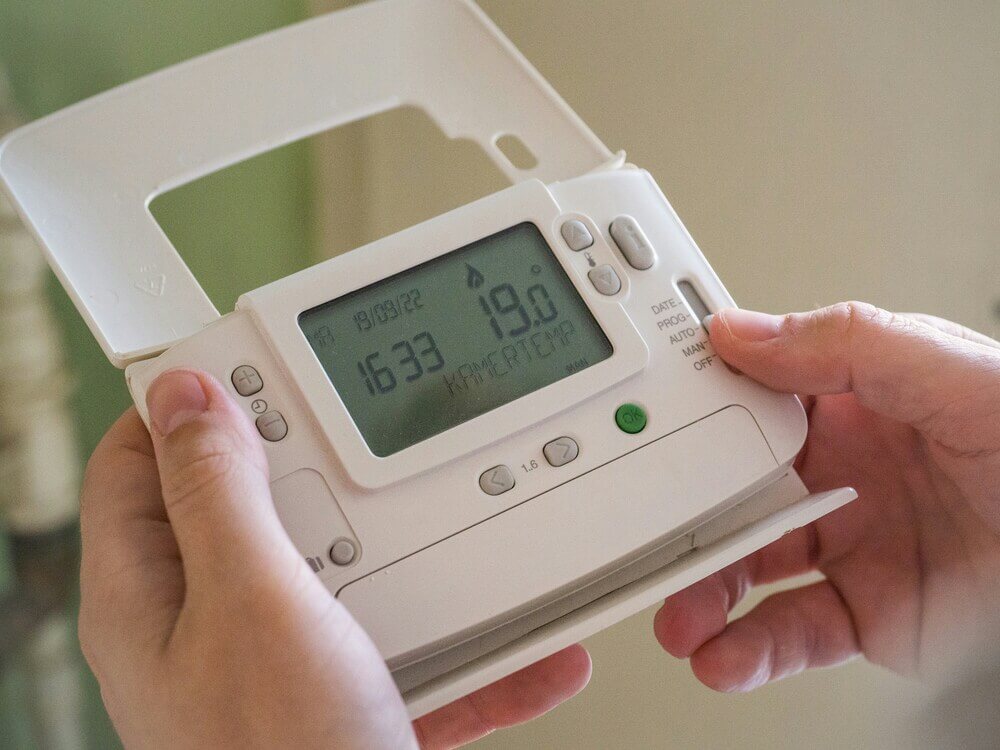
5. Set up or upgrade heating controls
Installing or upgrading heating controls will allow you to control the heat in your home more easily. Room thermostats allow you to set and maintain the ideal temperature in your home, whereas a programmer sets the heating to turn on and off at certain times to suit your schedule for the most efficient heating.
Find out how a thermostat works in our guide: How do smart thermostats work?
You can also upgrade or install thermostatic radiator valves (TRVs) to let you control the temperature of each radiator, so you only need to heat rooms you need. For more information about which radiator valve to get, read our guide: Which Radiator Valve is Best for Me? Understanding the Difference.
Installing and using heating controls lets you control exactly when and where you want to heat your home. Modern upgrades can also offer a simpler operating system for easier use.
For more information on what thermostat or programmer is best for your home, read our guide: Choosing the Right Thermostat for Your Home.
6. Improve hot water cylinder insulation
If you have a hot water cylinder in the UK, it will likely already have a layer of insulation. However, some older cylinders may only have 25mm of insulation. Upgrading this insulation to 80mm will help prevent losing heat.
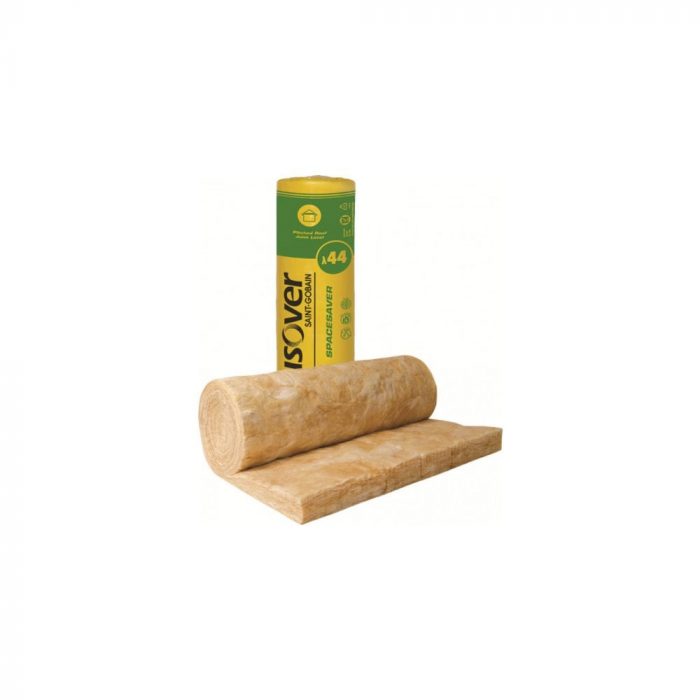
7. Top-up loft insulation
If you haven’t got adequate loft insulation, you risk losing your home’s heat through the roof. We recommend increasing your insulation to 270mm thick if it’s 120mm or below.
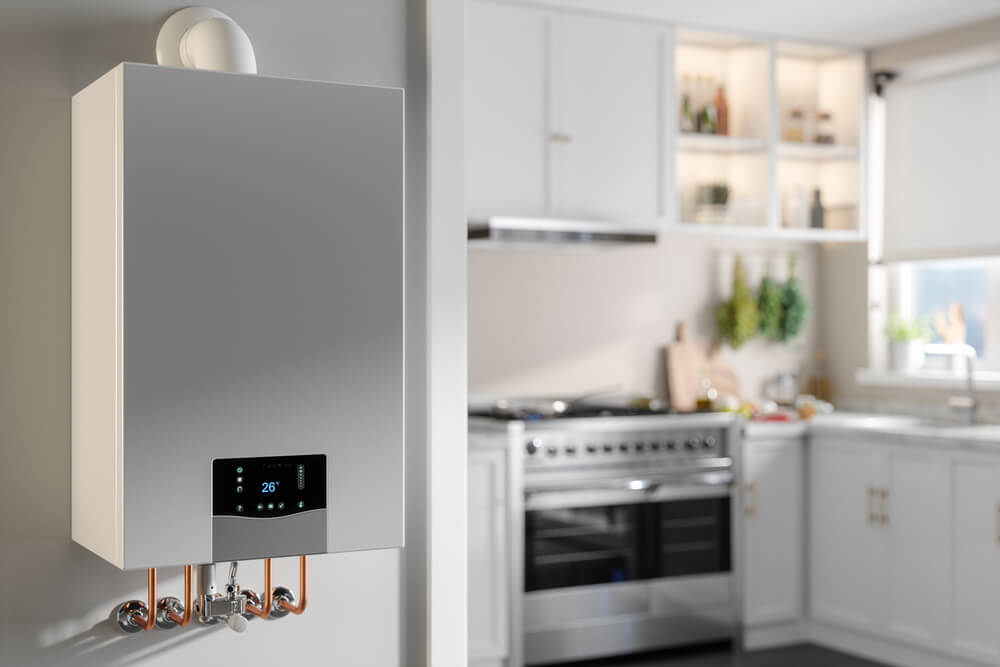
8. Upgrade boiler
It might be worth replacing if your boiler is over 10 years old. Older boilers are less efficient than newer ones. You can also consider upgrading your system to a more efficient condensing boiler.
If your boiler is younger than 10 years, consider getting it serviced every year to ensure there is no build-up of sludge and that it’s working to its maximum efficiency.
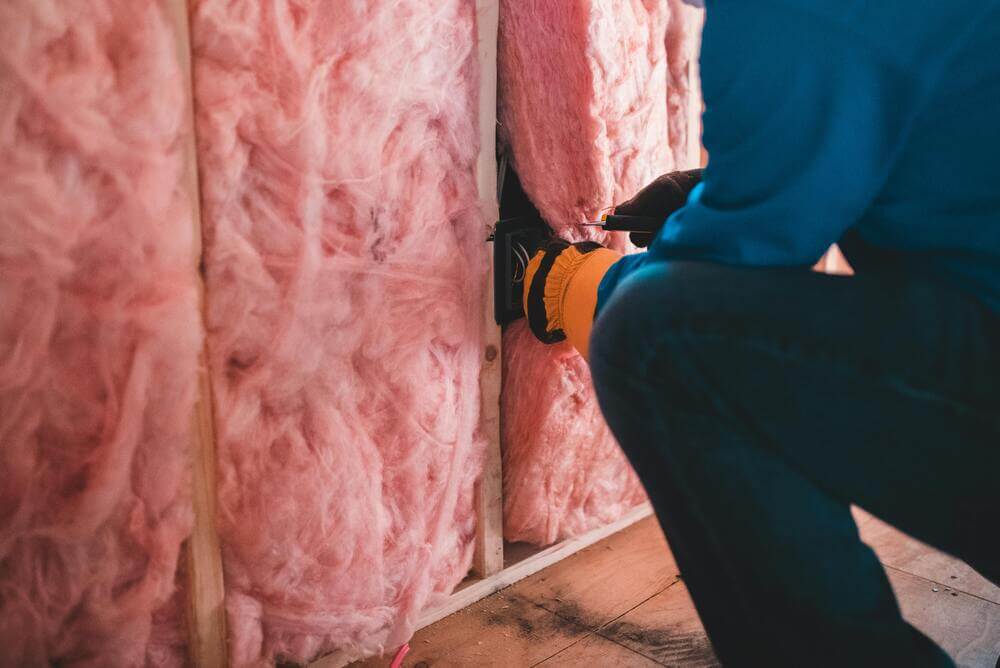
9. Insulate your walls
Improving the insulation in your walls is a bigger investment in terms of money and effort. However, it will provide long-term benefits, keeping your home heated more efficiently. Most homes built after 1920 have cavity walls and need cavity insulation to prevent heat from escaping. However, if you have a home older than 1920, you will likely have solid walls and need solid wall insulation.
10. Use thick curtains or thermal blinds
Another quick fix that can help keep your home warm during winter is replacing any curtains and blinds with heavy, thick or insulated curtains and thermal blinds. Adding these can help keep your home’s warmth inside and prevent heat from escaping through your windows.
11. Place rugs on bare floors
Heat can also be lost through the floors, especially if you have an underfloor air vent cavity. If you have stone or wooden floors, consider placing rugs down, as they can act as insulation.
12. Seal chimney
Unused chimneys can also be a draught source and sap any heat in your home up and out. Install a chimney balloon, cover or draught excluder to block cold air from coming in.
13. Close off unused rooms
Lastly, help conserve heat in your home by closing off unused rooms. Doing this will keep the heat in the rooms you spend time in, making heating those rooms more efficient and warmer.
Keep your house warm this winter with everything you need from Build & Plumb!
Now you know how to keep your house warm during winter, whether you can only make small surface-level changes or want to invest in more permanent solutions to help keep your home warm more efficiently, every little will help.
At Build & Plumb, we have the knowledge and tools you need to keep your home warm this winter. We’ve gathered everything you need to winter-proof your home in our winter-proofing collection. Find everything from insulation to thermostats here at Build & Plumb, and prepare for winter!
Related posts:
Comments are closed here.