
Shower Buying Guide: Things to consider when buying a shower
Choosing the right shower for your bathroom is one of the most crucial decisions of any bathroom renovation. It can also be one of the most overwhelming parts of the project because of the number of decisions you need to make, from what type of shower you might want to getting the right shower for your water pressure.
At Build & Plumb, we want to make your bathroom renovation as easy and enjoyable as possible by listing everything you need to consider before buying and installing your new shower. This Shower Buying Guide will help you find the right one for you and your bathroom.
Table of contents:
- Types of showers: What shower do I need?
- Water pressure
- Shower heads
- Shower valves
- What should you look for when buying a mixer shower?
Types of showers: What shower do I need?
The first thing you must consider when buying a shower is the best type for you. One of the major factors that will influence your decision is the size and layout of your bathroom.
Bathrooms are among the busiest rooms in the house, especially during the morning rush. Unless you have an enormous bathroom, ensure your shower fits well and doesn’t protrude into the room’s natural flow. Some showers take up more room than others, so measure thoroughly before purchasing a shower tray or enclosure.
Here are the types or showers you could choose:
Shower bath
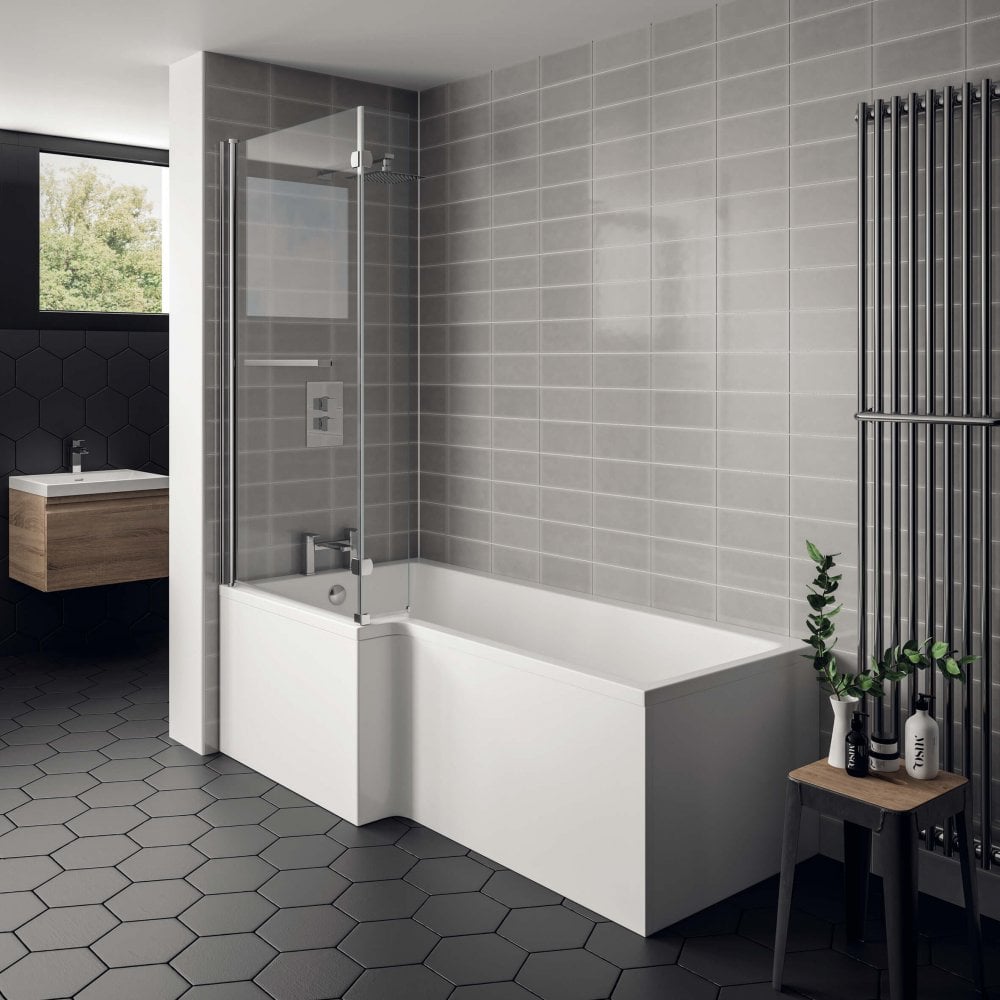
A shower bath is self-explanatory; it is when a shower is installed over the bath. This is a great option for people who want both but are limited in space. All you need to create this shower unit is a shower and bath screen. You can get specific P or L-shaped baths to provide more room for showering, but you can also install one in a regular-shaped bath.
Cubicle shower
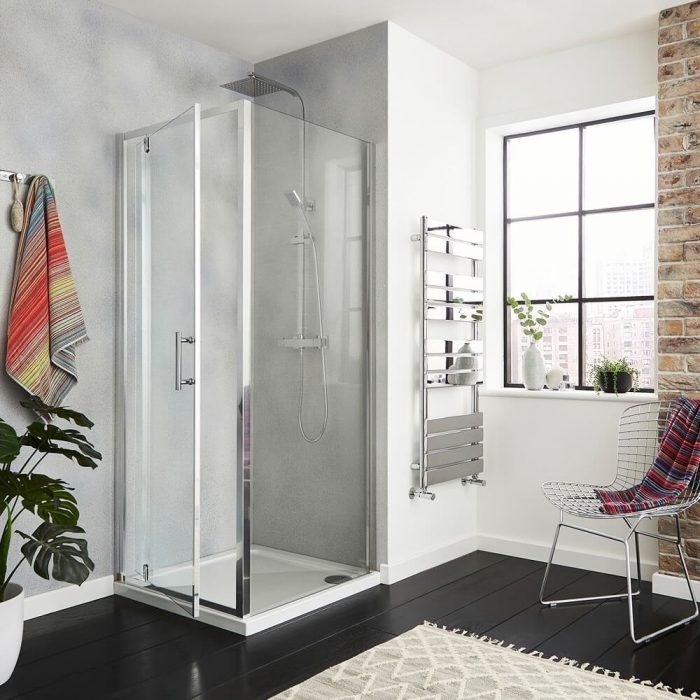
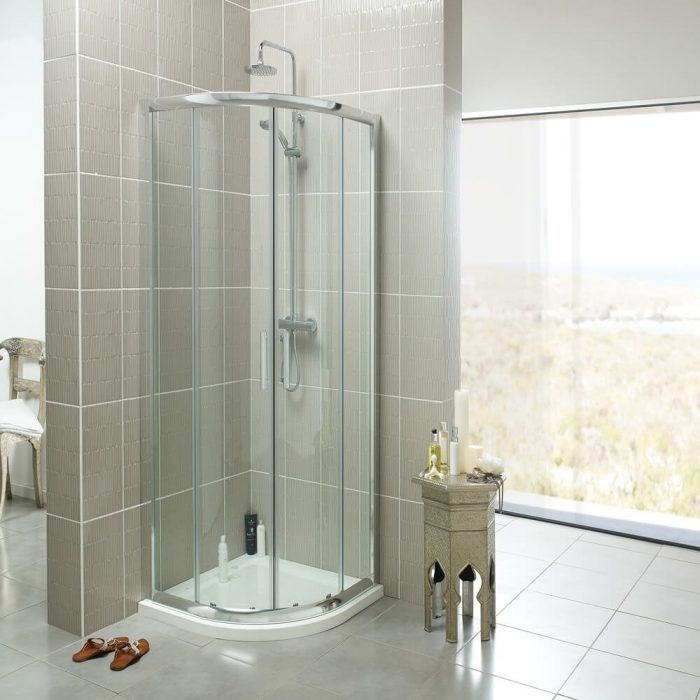
A cubicle shower features a shower enclosure and a shower tray. It can be square, rectangular, or quadrant-shaped and is aligned into a corner along two perpendicular walls. Cubicle showers are usually the most popular because they are space-efficient. If you pair them with shower panels, everything is watertight, and you don’t need to worry about water splashing surrounding masonry.
Recessed shower
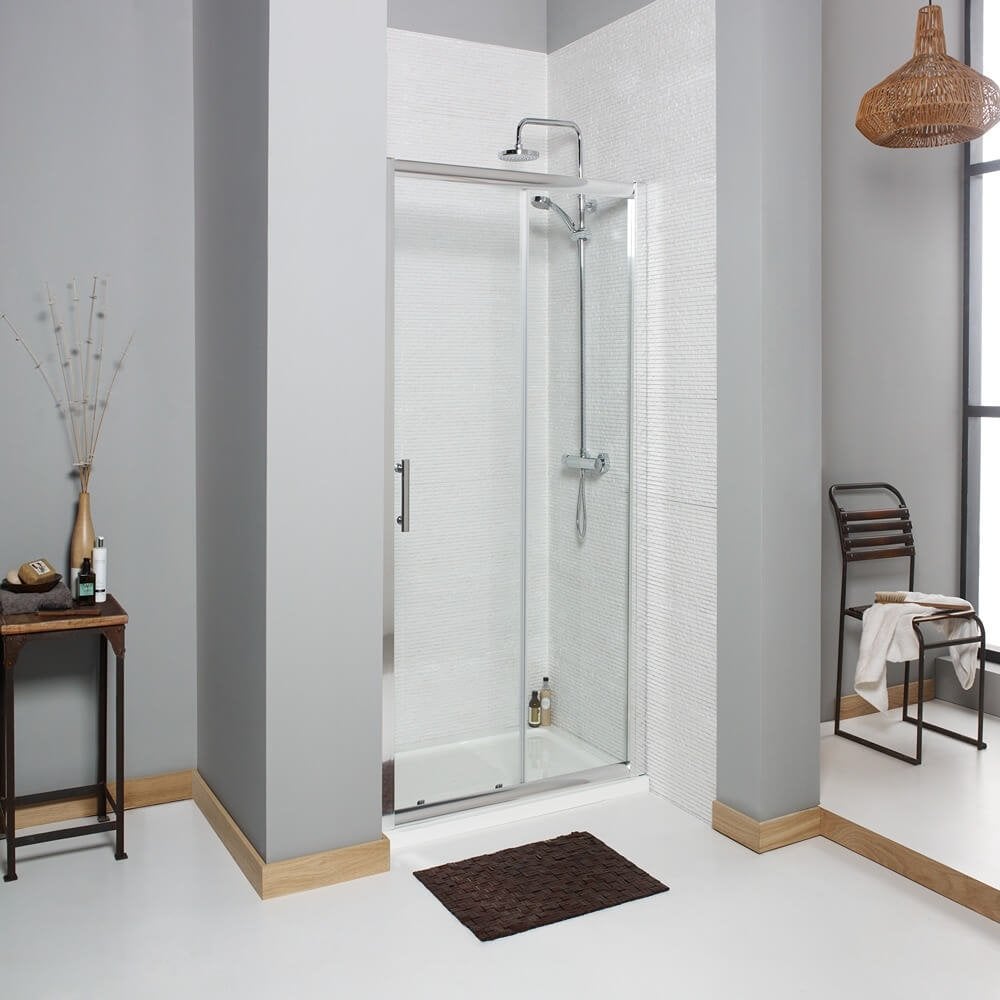
A recessed shower is when the shower is surrounded by three walls, backed into an enclave or wall-to-wall. These types of showers only require a door rather than an enclosure.
Cubicle and closed showers offer various door options depending on your space capacity and design preferences. Choose from pivot, hinged, sliding, bi-fold and quadrant doors.
Walk-in shower
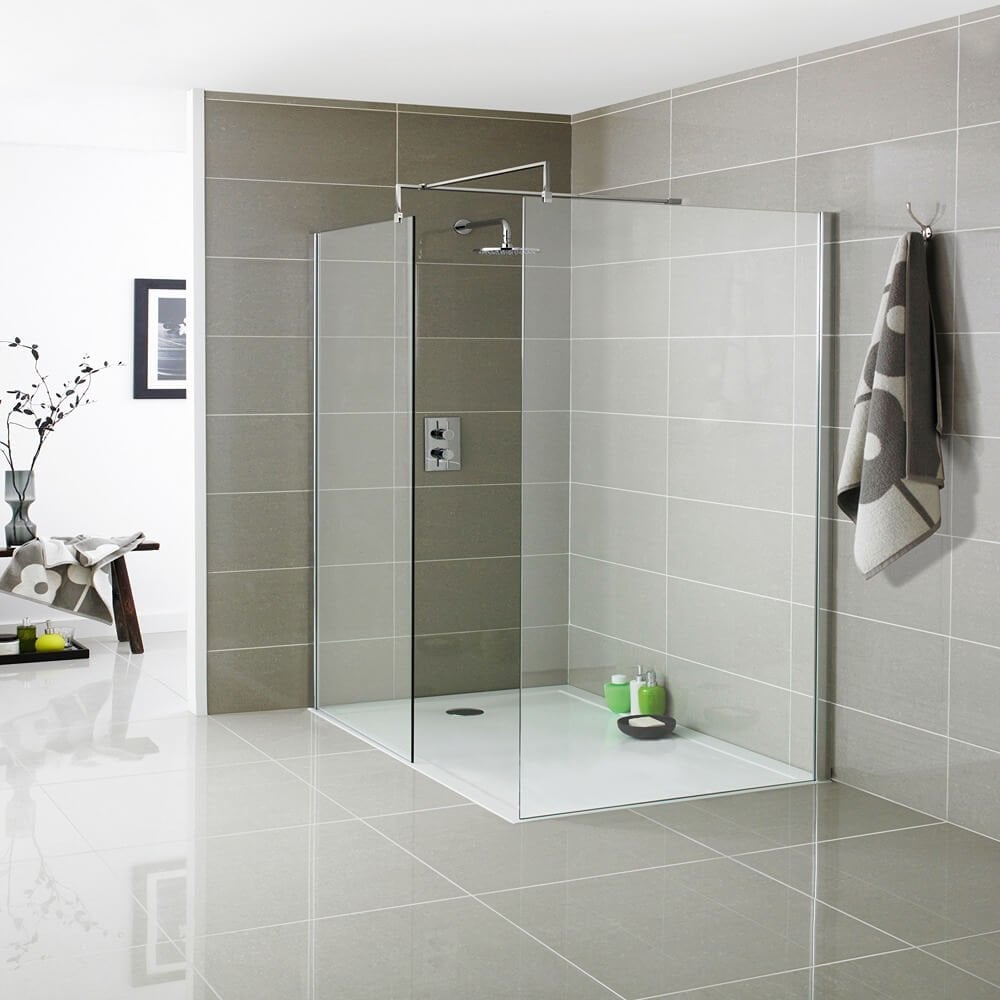
A walk-in shower has no moving door; instead, it has shower screens that leave an opening for you to “walk into.” Sometimes, there is no raised shower tray, and the floor is slanted towards a drain so the water can run to the waste pipe. Walk-in showers are some of the most stylish and beautiful shower options. However, they do take up a lot of space.
Wet room
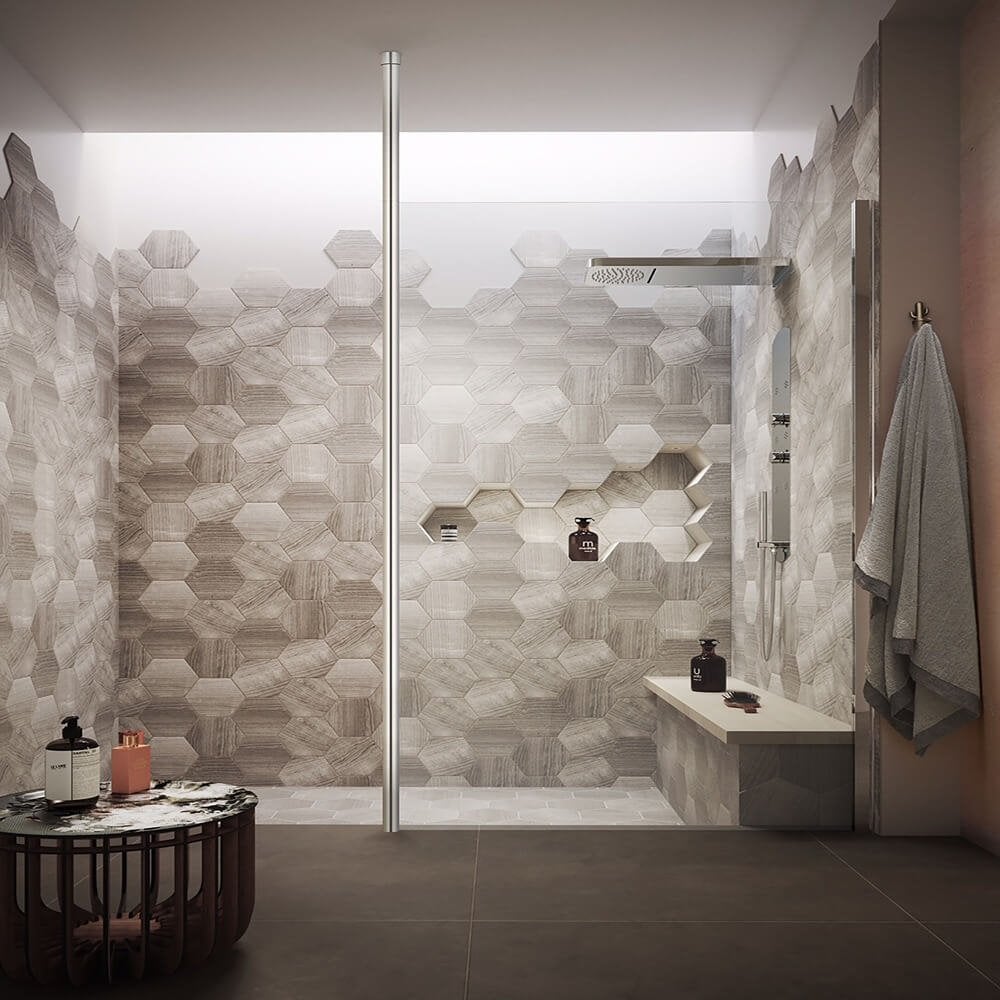
A wet room shower has no shower tray or enclosure (although it may have a single screen). As the name suggests, the entire room becomes the showering area. Wet room showers should be reserved for the largest or most luxurious bathrooms so that you don’t mind getting wet. However, they are also easy to clean because they don’t have any moving doors or shower trays where dirt can hide. They are also the perfect solution for people with disabilities as they are the most accessible for wheelchair use.
Water pressure
Next, consider your water pressure and what water system you need for your shower. Your household water pressure will determine what type of shower system you can get, so this consideration is vital.
What shower is best with a combi boiler?
If you have a combi boiler, you will have a high water pressure system, allowing you to choose from a wide range of shower heads and mixer showers.
What shower is best for a low-pressure water system?
If you have a water tank, you will have a low water pressure system. Unless you want a dribbly shower or someone to use up all the hot water before your turn, installing an electric shower is best.
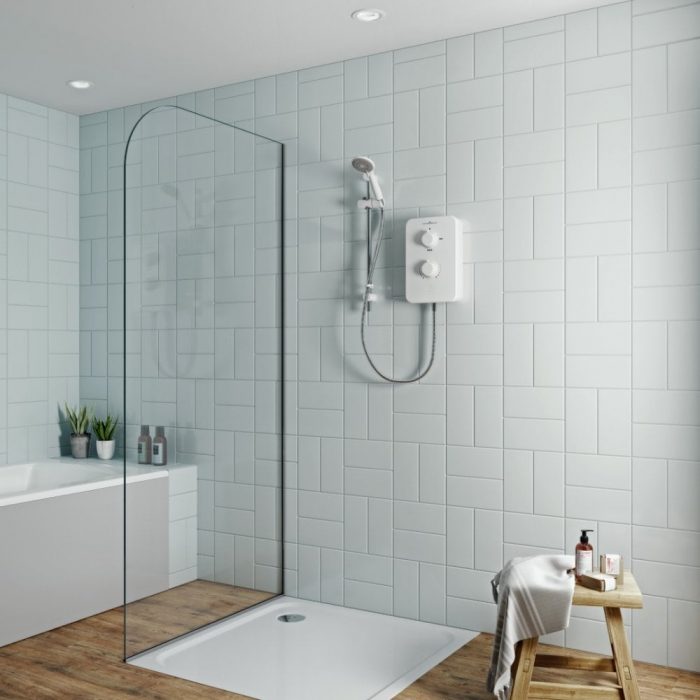
Electric showers (different from digital showers) offer immediate hot water and consistent temperature control. They are also more economical. They only heat the water when you need it, so there is no need to wait for it to warm up, and there is always hot water available regardless of how many people need a shower.
You might also want to consider purchasing a power shower if you have a low-pressure water system. These have built-in motors with a high water pressure rating to boost your water flow rate, especially if you have a gravity-fed system.
Shower heads
If you choose a mixer shower rather than an electric shower, there are a few options.
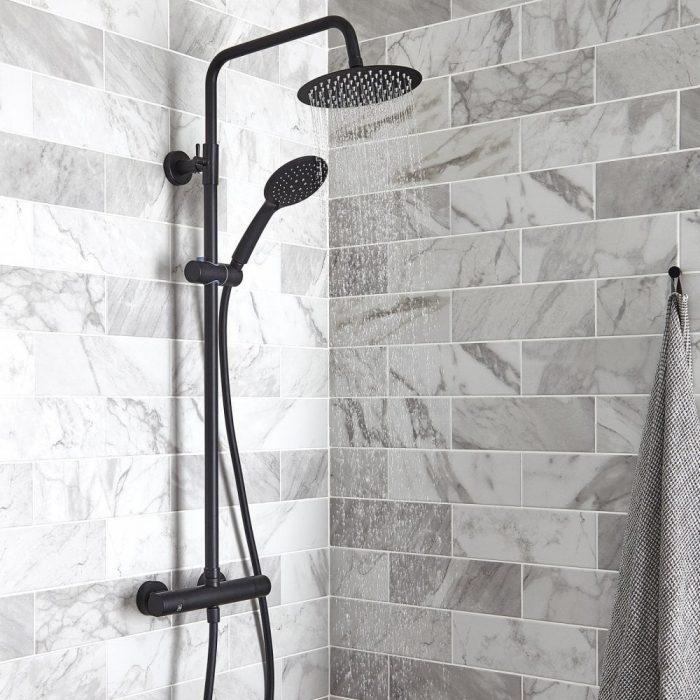
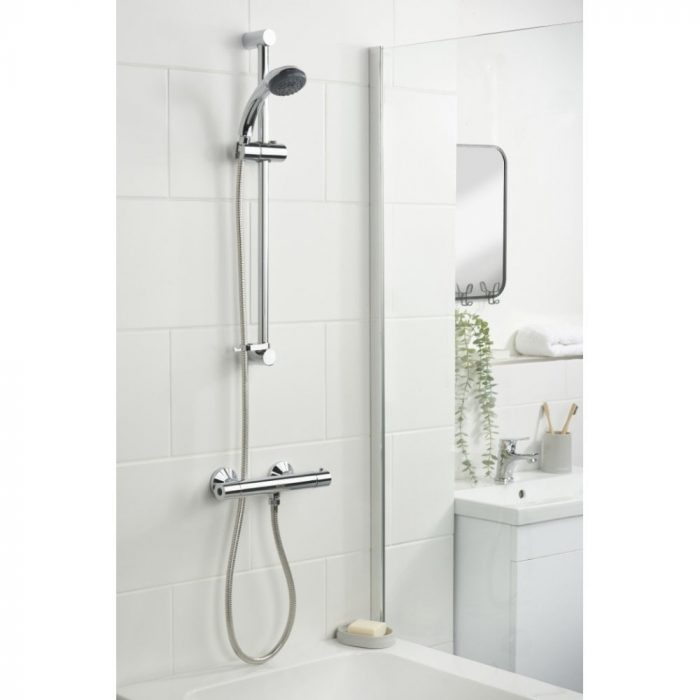
First, you can choose an exposed shower. These usually feature dials that control water temperature and water flow on a bar, and the shower head is installed onto a slider rail, which you can unhook and wash yourself or the bath or enclosure with. Alternatively, you can get a fixed drench shower head with a handheld shower head and hose for varied washing.
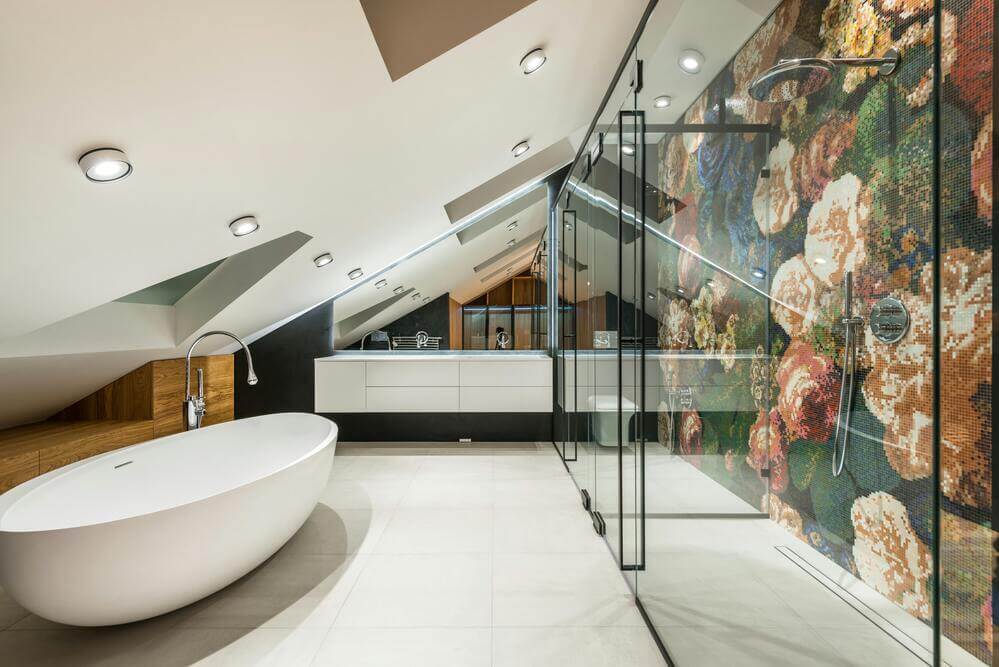
Alternatively, a concealed shower can create a more luxurious and sleek look in your shower set-up. Any pipework is concealed behind the wall, only revealing a fixed shower head coming from the wall or ceiling, a shower valve to control the flow and temperature, and a shower slider rail kit if you wish to have an alternative washing hose.
Shower valves
Lastly, you need to consider the type of shower valve you need. You have three options.
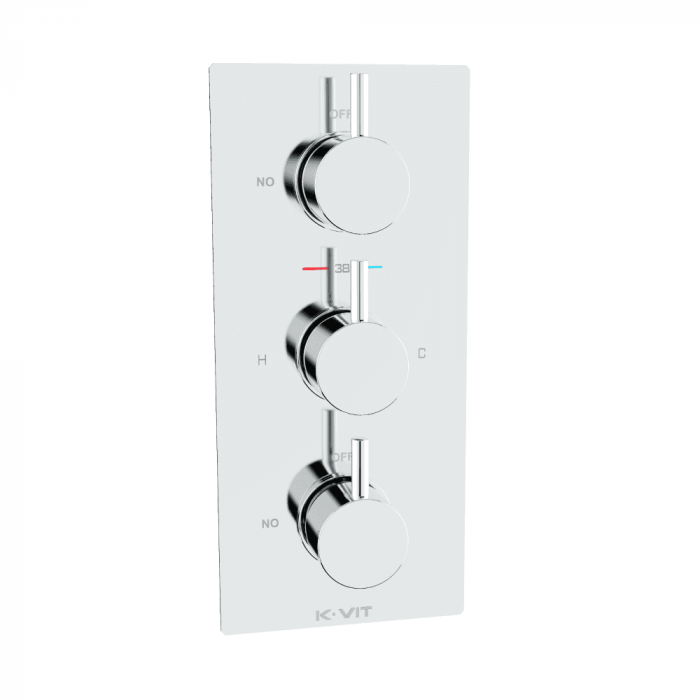
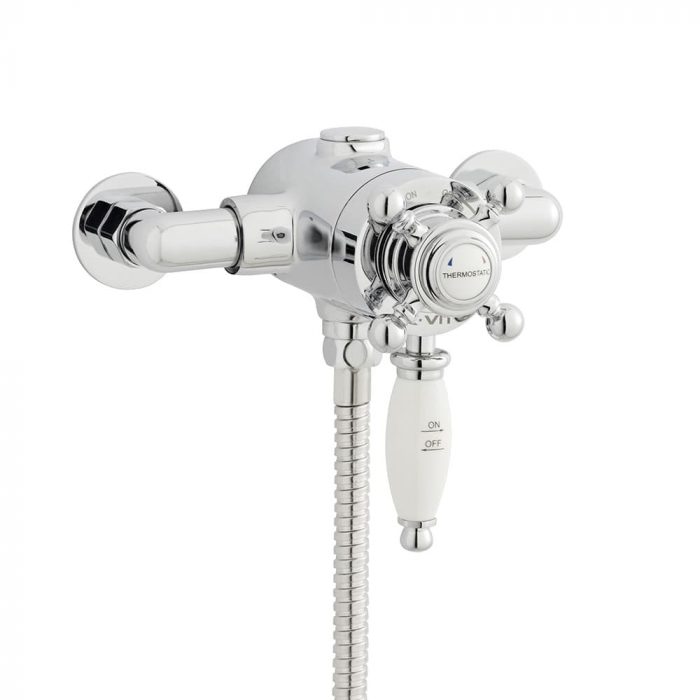
What are the pros and cons of mixer showers?
Manual mixer shower
You can choose a manual mixer shower. However, there are advantages and disadvantages to this option. A mixer shower mixes your hot and cold water supply to achieve your preferred shower temperature, providing control and comfort. However, manual mixer showers require adequate water pressure to operate effectively. In homes with low water pressure, you may need to install additional pumps to boost water flow.
Mixer showers, in general, also rely on a home’s hot water supply system. If the hot water runs out because you have a water tank, you may have a cold or dribbling shower.
Lastly, non-thermostatic mixer showers pose a risk of scalding as the water temperature is not regulated. If you have a household with young children or elderly adults, you may want to get a thermostatic shower valve.
Pressure-balanced valve
You can choose a pressure-balanced valve, which senses changes in water pressure and amends the ratio of hot to cold to control the water temperature. If, for example, the cold water pressure suddenly drops (perhaps due to someone flushing a toilet elsewhere in the house), the valve reduces the flow of hot water to prevent scalding.
By automatically compensating for changes in pressure, pressure-balanced showers provide a stable and consistent water temperature throughout the showering experience. This feature is particularly important for safety, as it helps prevent sudden temperature fluctuations that could lead to burns or discomfort.
Thermostatic valve
Alternatively, you can opt for a thermostatic shower valve, which has the added advantage of sensing sudden changes in water temperature and reacting to correct the water temperature ratio to restore the preset temperature.
The thermostatic mixing valve contains a temperature-sensitive element, such as a wax cartridge or a bimetallic strip, that reacts to changes in water temperature. If the water temperature deviates from the preset level, for example, due to fluctuations in the water supply, the valve adjusts the flow of hot and cold water accordingly to maintain the desired temperature.
Thermostatic showers provide a stable and consistent showering experience by continuously monitoring and adjusting the water temperature. This feature helps prevent sudden temperature fluctuations that could lead to discomfort or scalding.
What should you look for when buying a mixer shower?
To summarise, consider these elements before purchasing if you’re choosing a mixer shower.
- Water pressure capability. Some mixer showers have a minimum water pressure requirement to work, so make sure you know your water pressure system before purchasing a new shower.
- Shower valve. Decide whether you want a thermostatic, pressure-balanced manual valve in your mixer shower.
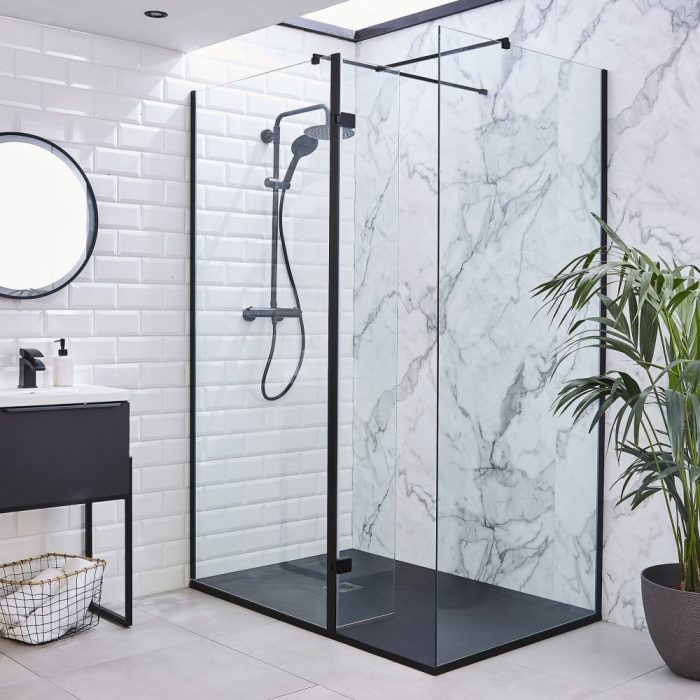

- Style and design. To complement your bathroom decor, consider the mixer shower’s style and design. Mixer showers come in various designs, including exposed, concealed, modern, and traditional styles. For a stylish design choice, you can branch out from a chrome finish to brass or matte black.
- Quality & durability. Look for mixer showers made from high-quality, durable, and long-lasting materials. Stainless steel or chrome-plated brass elements offer resistance to corrosion and wear.
- Ease of installation. Choose a mixer shower that is easy to install, especially if you plan to do it yourself or hire a professional plumber for more complicated installations. Consider whether you have an exposed or concealed shower, whether it’s compatible with existing plumbing, and if any additional accessories or components are required.
- Brand reputation & warranty. At Build & Plumb, we only offer high-quality and reputable brands that provide reliable products and warranties to protect your investment.
- Features and accessories. Consider any additional features and accessories you may want, such as shower heads, handheld attachments, water-saving features, anti-scald technology, or digital controls, to help you find the perfect shower.
- Budget. Set a budget for your new shower renovation and compare brands and prices. At Build & Plumb, we offer a range of showers to suit multiple budget needs. However, higher-priced models may offer more advanced features, better build quality and longer warranties.
Find the perfect shower for your bathroom at Build & Plumb!
Choosing a shower can be overwhelming, with so many things to consider. However, as long as you know what shower is best for your water pressure system and the best-sized shower enclosure for your bathroom, the choices will become easier.
Browse our collection of showers at Build & Plumb to find the best one for you. Then, find everything else you need for your shower renovation in our Bathrooms collection, including shower trays, enclosures, panels and boards, and accessories.
Related blogs:
Comments are closed here.