
The Ultimate Guide to Decorative Aggregates
One of the subtle yet significantly impactful ways to enhance the aesthetic and functional value of gardens is through the use of aggregates. Whether you are a gardening enthusiast, or a homeowner looking to revamp your outdoor space, understanding how to choose the right aggregates for garden decor is important for creating your unique space.
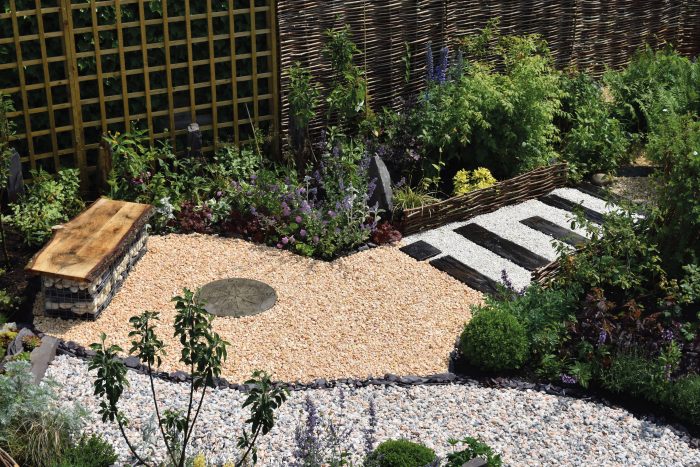
What is a Decorative Aggregate?
A Decorative Aggregate is any type of material that is used to aesthetic purposes in garden or landscape decor. There is a wide variety of decorative aggregates available, including gravel, pebbles, sand, crushed stone, and decorative rocks. They serve multiple purposes in garden decor – from creating pathways and driveways to accentuating plant beds and features. The variation in color, texture, and size among aggregates allows for immense creativity in garden design. However, with such variety comes the challenge of selecting the most appropriate type for your needs.
The Benefit of Using Aggregates
Aggregates offer both aesthetic and functional benefits that make them an invaluable component in landscaping:
- Enhanced Aesthetic Appeal: Aggregates add color, texture, and contrast, creating visually interesting spaces that complement plant life and other garden features. As seen below, the contrast between wet and dry colors can enhance the perception of texture and depth in the landscape, making it more visually appealing and engaging.
- Weed Control and Drainage Improvement: When used as a ground cover, they can suppress weed growth and improve soil drainage, reducing garden maintenance efforts. The best aggregates for drainage solutions are gravel and crushed stone.
- Durability and Low Maintenance: Most aggregates are durable and require minimal upkeep, making them a cost-effective addition to any garden.
- Versatility: Suitable for various applications, aggregates can fulfill numerous roles within a garden setting, from practical uses like pathways to decorative features around water fountains or rockeries.
- Natural Materials: Most aggregates are made from natural materials such as stone, gravel, sand, or slate chippings. Therefore, there are also more recyclable options in comparison with other landscaping materials synthetic turf, plastic mulch, or rubber paving.

Choosing the Right Aggregates
The choice of aggregate should be influenced by both the intended purpose and desired aesthetic effect. There are various styles of aggregates, with different shapes and colours that can have a drastic impact on the overall look. Here’s how you can make an informed decision:
For Pathways and Driveways
Using aggregates like small chippings is the most budget-friendly method to create your path or driveway.
- Functionality is Key: Choose aggregates that can withstand foot or vehicle traffic. Crushed stone and gravel are ideal for these purposes due to their durability.
- Consider Size and Shape: Smaller pieces compact better for a stable surface, while angular shapes lock together, reducing displacement over time.

For Plant Beds and Features
Aggregates are great at highlighting plants and garden features, drawing attention to of the environmental surroundings. They are also good at emphasizing raised planting areas.
- Complement Your Plants: Select aggregates that enhance the colors of your plants and garden features. Light-colored aggregates such as white, pink or grey can brighten shady areas, while darker tones can create striking contrasts such as dark green, charcoal or plum.
- Texture Matters: Fine-textured aggregates like sand or pea gravel work well around more delicate plants, whereas larger, rough-textured rocks can highlight larger features such as statues or boulders.
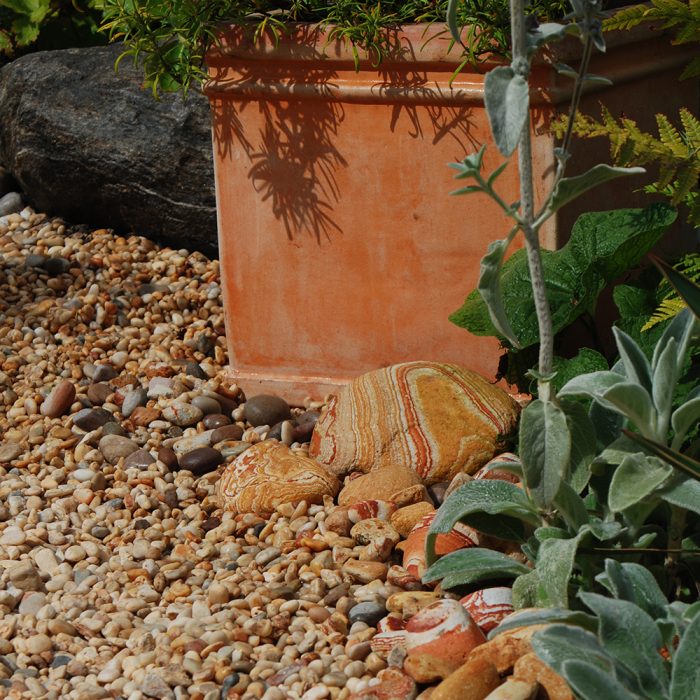
For Water Features and Rockeries
Ponds, water features, and rocky formations can be an amazing and unique addition to your garden, but it can be difficult to make these features look natural.
- Create Natural Looks: Smooth, rounded pebbles or cobbles evoke a natural, riverbed appearance, ideal for water features. Larger, ornamental rocks can create dramatic backdrops in rockeries.
- Color Coordination: Pay attention to color schemes. Warm-colored aggregates can create a welcoming feel, while cool-toned stones offer a serene ambiance.

How do you lay decorative aggregate?
Once you have selected the perfect aggregates for your garden decor, it’s important to ensure proper installation for optimal results. Here’s a step-by-step guide:
- Prepare the Area: Clear the space of debris and weeds before laying aggregates to prevent loose loads and uneven surfaces. Additionally, level the area if needed for a smoother finish.
- Lay Down a Weed Barrier: If using aggregates for areas where you want to prevent weed growth, such as plant beds, consider laying down a weed barrier fabric before adding the aggregates.
- Spread the Aggregates: Using a shovel or wheelbarrow, spread the aggregates over the desired area to a depth of around 2-3 inches. This will provide adequate coverage for most applications.
- Compact the Aggregates: Use a plate compactor or hand tamper to compact the aggregates evenly across the surface. This will help with stability and prevent any displacement over time.
- Edge the Area: Consider edging the area with pavers or stones to prevent the aggregates from spreading out and creating an uneven surface.
- Add Finishing Touches: Once the aggregates are in place, you can add finishing touches such as decorative rocks or stepping stones for a more unique and personalized look.

However, if you are still unsure on how, or where, to lay aggregates, we recommend consulting with a professional landscaper.
Frequently Asked Questions:
Q1. What is the difference between gravel and aggregate?
Gravel is a specific type of aggregate, typically composed of small rock fragments. Aggregate, on the other hand, refers to a broader category that includes various materials like sand, crushed stone, gravel, and more used in construction and landscaping.
Q2. Can you put decorative stones on top of soil?
Yes, you can place decorative stones on top of soil for landscaping purposes. However, it’s recommended to prepare the area properly by laying a weed barrier fabric or landscaping cloth before adding the stones to prevent weeds from growing through them.
Q3. How deep should decorative aggregate be?
For pathways and driveways, a depth of 2-4 inches is typically recommended. For decorative purposes in gardens or landscaping, a depth of 1-2 inches may be sufficient. However, factors like drainage, aesthetics, and intended use may require different depths.
Q4. how much decorative aggregate do I need?
To determine the amount of decorative aggregate you need, follow these steps:
- Calculate Area: Measure the length and width of the area where you plan to place the decorative aggregate. Multiply the length by the width to get the area in square feet.
- Determine Depth: Decide on the depth of the decorative aggregate. For example, if you choose a depth of 2 inches, divide this by 12 to convert it to feet (2 inches = 0.167 feet).
- Use Formula: Use the formula: Area (in square feet) x Depth (in feet) = Cubic Feet of Aggregate Needed.
- Convert to Yards: Divide the cubic feet by 27 to convert to cubic yards if you are purchasing the aggregate in that unit.
Decorative Aggregates at Build & Plumb
We hope you feel more informed and aware of your options for the different types of aggregates for your garden or landscape. Whatever style or aesthetic your outside area has, we have a wide range of Decorative Aggregates available at Build & Plumb.
Use our convenient 20kg aggregate bulk bags for decorating everything from driveways and paths to rockeries and garden ponds, with a wide variety of decorative colourings and garden stones to choose from here.
Relevant Blogs:
Comments are closed here.